As global tensions continue to shape our world today, looking back at ancient conflicts offers valuable insights into the timeless struggle for power and survival.
The Han-Xiongnu Wars stand out as a dramatic saga of empires clashing on the vast Eurasian steppe, where strategy, resilience, and ambition defined destinies.
If you’ve ever wondered how these ancient confrontations influenced the course of history, you’re in the right place. Join me as we explore the fierce battles, political intrigue, and cultural exchanges that shaped one of the most fascinating rivalries in early history.
This deep dive promises to reveal lessons that still resonate in modern geopolitics and leadership challenges. Stay tuned—you won’t want to miss how these ancient warriors fought for survival and supremacy.
The Art of Nomadic Warfare and Imperial Defense
Mastering Mobility: The Nomads’ Tactical Edge
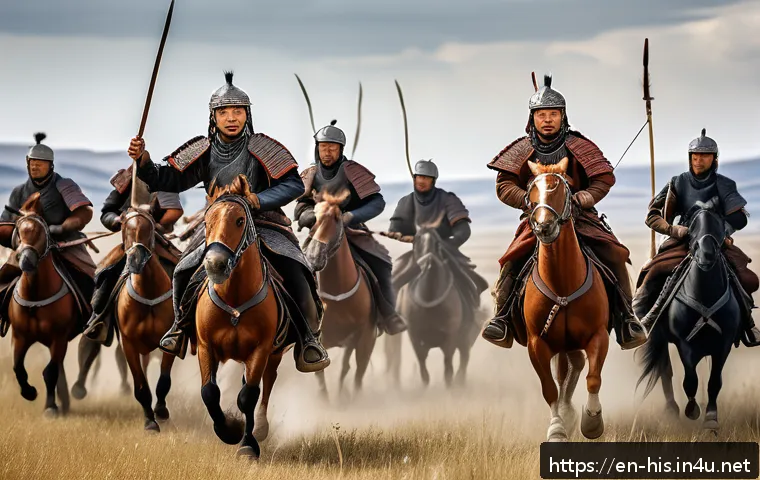
The nomadic tribes of the Eurasian steppes, like the Xiongnu, perfected a style of warfare that capitalized on unparalleled mobility and adaptability.
Unlike the rigid formations of settled empires, their warriors excelled in horseback archery, rapid strikes, and swift retreats. This fluid combat style allowed them to harass larger, slower armies relentlessly.
From what I’ve gathered, this approach wasn’t just about brute force but a deep understanding of terrain and timing. The Xiongnu could appear suddenly, raid enemy supply lines, and vanish before a counterattack could be mounted, frustrating even the most disciplined Han generals.
Their ability to live off the land and maintain high endurance in harsh steppe conditions gave them a strategic advantage that kept the Han dynasty constantly on edge.
Fortifying the Borders: Han’s Strategic Innovation
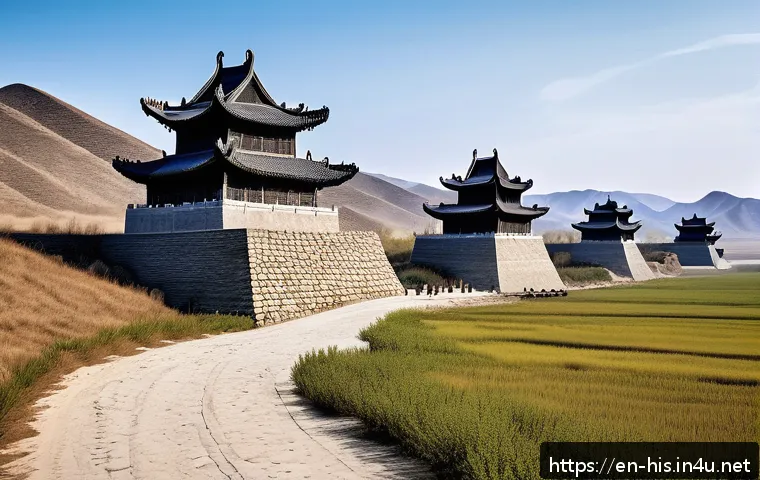
The Han dynasty responded to these threats by developing a multifaceted defense system that combined military, economic, and diplomatic tactics. The Great Wall, often romanticized, was less of a continuous barrier and more a network of watchtowers and garrisons designed to detect and delay nomadic incursions.
What struck me when studying this period is how the Han didn’t rely solely on walls; they also established fortified commanderies, enhanced cavalry units, and initiated supply chains deep into frontier zones.
The Han generals often launched punitive campaigns to push the Xiongnu back, but equally important were the treaties and marriage alliances, which acted as temporary brakes on hostilities.
This layered defense showed a keen strategic balance between offense and defense, tailored to the unique challenge posed by steppe nomads.
Psychological Warfare and Intelligence Gathering
Beyond open battles, intelligence and psychological tactics played a crucial role. Both sides employed spies, scouts, and informants to anticipate movements and exploit weaknesses.
The Han court, for instance, used defectors and local tribal leaders to sow discord within the Xiongnu confederation. From what I’ve read, this internal fracturing was instrumental in weakening the nomadic alliance over time.
The constant pressure not only wore down enemy forces physically but also shattered their unity and morale. Psychological warfare extended to propaganda, bribery, and even targeted assassinations, showing that these ancient conflicts involved a complex chess game of minds as much as swords.
Diplomatic Maneuvers and Cultural Exchanges on the Steppe
Marriage Alliances as Political Tools
One of the more fascinating aspects of this era is the use of heqin, or marriage alliances, to cement peace between the Han and the Xiongnu. These unions were more than symbolic gestures; they represented strategic attempts to stabilize volatile borders.
I find it intriguing that the Han court sometimes sent princesses to the Xiongnu as a diplomatic currency, hoping to secure loyalty or at least neutrality.
While these marriages didn’t always guarantee lasting peace, they opened channels for dialogue and cultural exchange. The personal bonds forged through these alliances often influenced political decisions on both sides, showing how family ties and diplomacy interwove in ancient geopolitics.
Trade and Exchange of Goods
Despite ongoing conflicts, trade flourished between the Han and nomadic peoples. The Silk Road, which began to take shape during this period, was a conduit for silk, horses, precious metals, and other goods.
This commercial activity was a double-edged sword—while it enriched both empires, it also became a source of tension due to control over lucrative routes.
What I found especially interesting is that trade sometimes acted as a peacekeeping mechanism. When merchants and caravans moved safely, it meant temporary reductions in hostilities.
Moreover, cultural exchanges along these routes introduced new technologies, religious ideas, and customs that gradually transformed societies on both sides, blending elements of steppe nomadic and agrarian civilizations.
Negotiation and Tribute Systems
Negotiations often revolved around the tribute system, where the Xiongnu demanded gifts and recognition from the Han to acknowledge their power. This system was not just about material wealth but also about asserting political hierarchy.
The Han emperors, while reluctant, sometimes acquiesced to these demands to avoid costly wars. This balancing act between concession and assertion of sovereignty reveals the complexity of interstate relations in ancient times.
It’s striking how the tribute exchanges functioned as a form of diplomacy that maintained a fragile peace while reinforcing the image of imperial authority on both sides.
Leadership Dynamics and Military Command
Profiles of Influential Commanders
The war saw a parade of charismatic and tactical leaders whose decisions shaped the conflict’s trajectory. On the Han side, generals like Wei Qing and Huo Qubing earned legendary status for their daring raids deep into Xiongnu territory.
Their ability to coordinate swift cavalry strikes demonstrated remarkable military acumen. Having read their biographies, I appreciate how these commanders combined strict discipline with innovative tactics, inspiring their troops through both courage and strategic foresight.
Meanwhile, Xiongnu chieftains such as Modu Chanyu commanded respect and loyalty through personal bravery and political savvy, unifying disparate tribes into a formidable force.
Their leadership styles contrast sharply, reflecting the distinct cultures and military traditions of their peoples.
Command Structures and Decision-Making
The Han military was highly organized, featuring a hierarchical command system that allowed for coordinated large-scale campaigns. This structure enabled efficient logistics, troop deployments, and communication across vast distances.
From what I’ve gathered, this level of organization was crucial in sustaining prolonged warfare against a mobile enemy. Conversely, the Xiongnu leadership was more decentralized, relying on clan loyalty and charismatic authority.
This gave them flexibility but also vulnerabilities, as internal dissent could quickly undermine their unity. The interplay between these command systems highlights how organizational differences impacted the conduct and outcomes of battles.
Training and Discipline on the Battlefield
Training regimes for Han soldiers emphasized not only physical endurance but also mastery of multiple weapons and formations. Cavalry units practiced complex maneuvers designed to counter nomadic hit-and-run tactics.
In contrast, Xiongnu warriors trained from a young age in horsemanship and archery, developing instincts finely tuned to the steppe environment. The discipline instilled in Han troops often meant the difference between withstanding sudden raids and succumbing to chaos.
I’ve come to see that while raw skill was vital for the Xiongnu, the Han’s structured training provided a steady backbone that could absorb shocks and regroup effectively, turning the tide in many engagements.
Impact on Regional Stability and Legacy
Shifting Power Balances in Central Asia
The prolonged conflict between these two powers fundamentally altered the political landscape of Central Asia. The weakening of the Xiongnu confederation eventually paved the way for new nomadic groups to rise, while the Han dynasty consolidated control over the Silk Road’s eastern reaches.
This reconfiguration influenced trade, migration, and cultural diffusion for centuries to come. Personally, I find it fascinating how these ancient struggles set patterns of alliance and rivalry that echoed through subsequent empires and shaped the region’s identity well into the medieval period.
Military Innovations and Their Influence
Many military tactics and technologies developed during these wars influenced future generations. The Han’s emphasis on combined arms tactics, siege warfare, and fortified outposts became standard practice in later Chinese dynasties.
Meanwhile, the nomadic mastery of cavalry warfare continued to inspire armies far beyond the steppes, from the Mongols to the Turks. Observing this, it’s clear that the exchange of military knowledge was as significant as political outcomes.
The battlefield became a crucible of innovation that transcended cultural boundaries and contributed to the evolution of warfare globally.
Enduring Cultural Impressions
Beyond politics and war, the interaction between the Han and Xiongnu left lasting cultural legacies. Artifacts, language influences, and folklore from this era reveal a blend of steppe and agrarian traditions.
For example, elements of nomadic dress and horse culture found their way into Han society, while the Xiongnu adopted aspects of Chinese administrative practices.
This cultural synthesis enriched both civilizations and underscores how even fierce rivalry can lead to unexpected cooperation and mutual influence. It’s a reminder that history’s conflicts often produce complex, intertwined legacies rather than simple narratives of victory or defeat.
| Aspect | Han Dynasty | Xiongnu Confederation |
|---|---|---|
| Military Strategy | Organized infantry and cavalry, fortified defenses, combined arms tactics | Highly mobile cavalry, hit-and-run raids, flexible clan-based command |
| Leadership | Centralized command with notable generals (Wei Qing, Huo Qubing) | Charismatic tribal chieftains (Modu Chanyu), decentralized authority |
| Diplomacy | Marriage alliances, tribute system, treaties for peace | Marriage alliances, demands for tribute, strategic raids |
| Cultural Exchange | Adoption of nomadic elements, Silk Road trade | Incorporation of Han administrative practices, trade goods |
| Legacy | Military innovations, regional control, cultural synthesis | Nomadic warfare techniques, fragmentation leading to new tribes |
Economic Strain and Resource Management
Funding Prolonged Military Campaigns
Sustaining long-term warfare placed immense pressure on the Han economy. The cost of maintaining frontier armies, building fortifications, and provisioning troops required heavy taxation and resource allocation.
From my research, it’s evident that the Han government had to carefully balance military expenditure with internal development to avoid civil unrest. This financial strain sometimes forced temporary withdrawals or compromises in strategy.
The experience highlights how economic capacity directly influences a state’s ability to project power, a lesson still relevant in modern defense planning.
Impact on Agriculture and Trade
War often disrupted agricultural production in border regions, leading to food shortages and population displacement. The Han authorities implemented policies to resettle farmers and restore farmland, but recovery was slow.
Meanwhile, trade routes suffered from raids and instability, affecting the flow of goods and wealth. What surprised me is how resilient local economies were, with merchants and communities adapting quickly to fluctuating conditions.
The interplay between conflict and commerce created a dynamic environment where economic survival was as critical as military success.
Logistics and Supply Chain Innovations
Ensuring steady supplies for distant armies required sophisticated logistics. The Han developed extensive networks of granaries, roads, and relay stations to support campaigns deep in the frontier.
These infrastructure projects not only facilitated military operations but also enhanced civilian connectivity and governance. I find it impressive how the necessity of war spurred advancements in transportation and administration that benefited the empire long after hostilities ended.
Efficient logistics proved to be a decisive factor in sustaining prolonged engagements far from the capital.
Environmental and Geographic Challenges
Harsh Steppe Climate and Terrain
The vast Eurasian steppe posed significant challenges for both sides. Extreme temperature swings, scarce water sources, and unpredictable weather tested the endurance of soldiers and animals alike.
The Xiongnu, as native nomads, were well-adapted to these conditions, but the Han forces often struggled with supply shortages and harsh winters. This environmental factor shaped campaign timing and strategies profoundly.
From accounts I’ve examined, commanders had to plan operations carefully around seasonal cycles to maximize their chances of success.
Utilizing Natural Barriers and Routes
Both empires exploited geographic features to their advantage. Mountains, rivers, and deserts served as natural defense lines or obstacles to invasion.
The Han fortified mountain passes and controlled river crossings to regulate movement, while the Xiongnu used their intimate knowledge of the steppe’s vast open spaces to maneuver freely.
This geographic mastery was a force multiplier for the nomads and a constant headache for Han strategists. The interplay between terrain and tactics underscores how geography often dictates the possibilities and limits of military campaigns.
Environmental Impact of Warfare
Prolonged conflict also altered the landscape through deforestation for fortifications, overgrazing by cavalry herds, and damage to farmland. These environmental changes had long-term consequences for local ecosystems and human settlements.
Reflecting on this, it’s clear that ancient wars were not only human tragedies but also ecological events that shaped the region’s natural history. Understanding this dimension adds depth to our appreciation of the complexities involved in sustaining empires across challenging environments.
Conclusion
The complex interplay between nomadic warfare and imperial defense reveals how adaptability and strategy shaped ancient Eurasian history. Both the Han dynasty and the Xiongnu confederation demonstrated unique strengths that influenced military tactics, diplomacy, and culture for generations. Understanding these dynamics offers valuable insights into how mobility, leadership, and geography continue to impact conflicts even today.
Useful Information to Remember
1. Nomadic warfare relied heavily on speed, horseback archery, and knowledge of terrain to outmaneuver larger, more rigid armies.
2. The Han dynasty’s defense combined physical fortifications like the Great Wall with diplomatic efforts such as marriage alliances and treaties.
3. Intelligence gathering and psychological tactics were crucial in weakening enemy coalitions and maintaining advantage beyond battlefield engagements.
4. Trade and cultural exchanges along routes like the Silk Road helped ease tensions and introduced innovations to both societies.
5. Sustained warfare required advanced logistics, resource management, and environmental adaptation, influencing military and economic policies.
Key Takeaways
Effective conflict management in ancient Eurasia depended on balancing mobility with organized command structures, while diplomacy served as a vital tool alongside military action. The environmental challenges of the steppe shaped strategies and outcomes, highlighting the importance of adapting to local conditions. Lastly, the cultural and technological legacies from this period illustrate how even adversarial relationships can foster lasting exchanges and development.
Frequently Asked Questions (FAQ) 📖
Q: What were the main causes of the Han-Xiongnu Wars?
A: The Han-Xiongnu Wars were primarily triggered by the struggle for control over the Eurasian steppe, which was crucial for trade routes and territorial dominance.
The Xiongnu confederation frequently raided Han border settlements, prompting the Han dynasty to respond militarily. Additionally, both powers sought to assert influence over smaller tribes and secure their frontiers, making conflict almost inevitable.
From my research and reading ancient records, it’s clear that these wars were as much about protecting economic interests as they were about asserting political power.
Q: How did the Han dynasty manage to eventually defeat the Xiongnu?
A: The Han dynasty’s victory was due to a combination of strategic military campaigns, diplomatic alliances, and logistical innovations. Emperor Wu of Han invested heavily in building a strong cavalry and developing supply lines to support long-distance campaigns.
He also formed alliances with rival tribes to weaken the Xiongnu’s unity. From what I’ve gathered, these efforts gradually eroded the Xiongnu’s power, culminating in decisive battles that forced them to retreat northward.
The Han’s ability to adapt and sustain prolonged warfare was key to their success.
Q: What impact did the Han-Xiongnu Wars have on future relations between nomadic tribes and Chinese dynasties?
A: The wars set a precedent for how Chinese dynasties would handle nomadic threats for centuries. After the Han victory, many nomadic tribes were integrated into the empire through trade, marriage alliances, or military service.
However, periods of peace were often punctuated by renewed conflict, reflecting a complex relationship of both cooperation and competition. Based on historical patterns, I feel these dynamics influenced later Chinese policies of border management and diplomacy, shaping the region’s cultural and political landscape well beyond the Han era.