In today’s world, where political ideologies continue to shape global dynamics, understanding the origins of communism is more relevant than ever. The Russian Revolution didn’t just topple a monarchy; it sparked a seismic shift that reverberated through the 20th century and beyond.
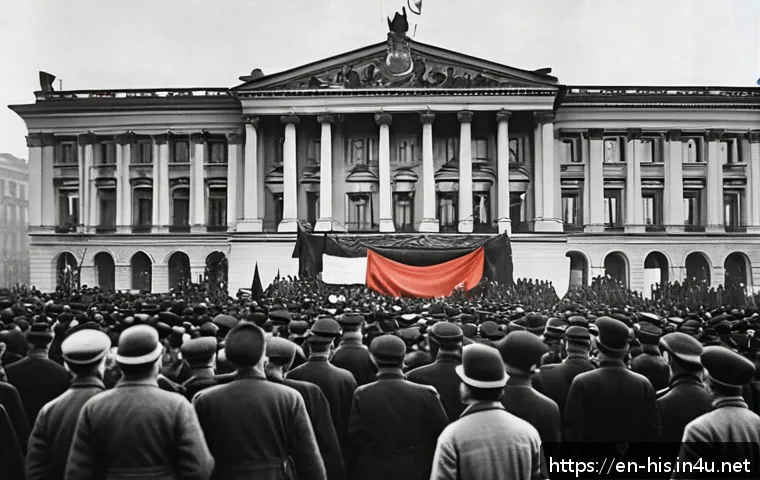
This pivotal event set the stage for a new political doctrine that influenced millions and altered the course of history. If you’ve ever wondered how a revolution in one country could ignite such widespread change, you’re in the right place.
Let’s dive into how the Russian Revolution gave birth to communism and reshaped the modern world in ways that still resonate today.
The Collapse of an Empire and the Rise of New Ideals
How World War I Exposed the Flaws of the Tsarist Regime
The Russian Empire was already on shaky ground before World War I, plagued by deep social inequalities, economic backwardness, and political repression.
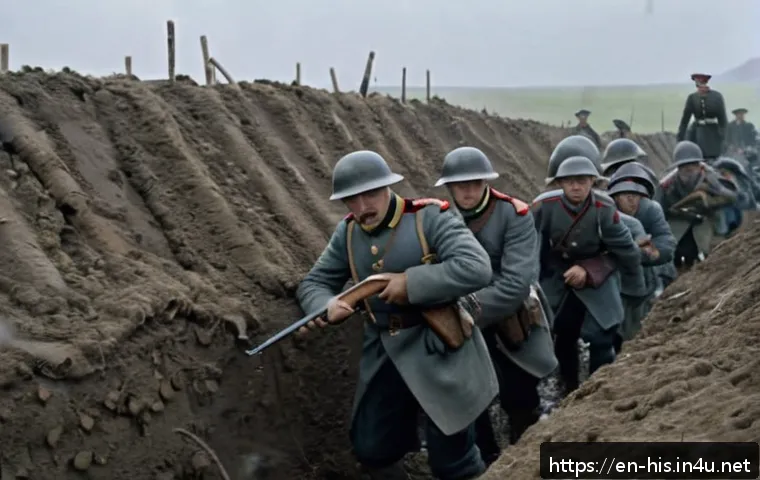
When the war broke out, it only magnified the empire’s weaknesses. Millions of Russian soldiers were sent to the front lines with inadequate supplies and poor leadership, leading to massive casualties and widespread discontent among both the military and civilians.
Food shortages, inflation, and a collapsing economy made daily life unbearable for many. This created a perfect storm where people lost faith in the monarchy and started seeking alternatives that promised equality and justice.
The Role of the Bolsheviks in Channeling Popular Anger
Amid this chaos, the Bolshevik Party, led by Vladimir Lenin, emerged as a radical voice promising immediate peace, land redistribution, and workers’ control over production.
Unlike the more moderate socialist factions, the Bolsheviks advocated for a complete overthrow of the existing system, which resonated with war-weary soldiers, peasants, and urban workers.
Their slogans like “Peace, Land, and Bread” captured the desperate hopes of millions. Lenin’s ability to present a clear vision and decisive action helped the Bolsheviks gain widespread support, culminating in the October Revolution of 1917.
The Overthrow of the Provisional Government
After the February Revolution forced Tsar Nicholas II to abdicate, a provisional government took power but failed to address the urgent demands for peace and economic reform.
The Bolsheviks capitalized on this failure, portraying the provisional leaders as ineffective and out of touch. Their organized and well-coordinated seizure of key institutions in Petrograd marked the decisive moment when power shifted dramatically.
This event wasn’t just a change of rulers; it represented a fundamental break from centuries of autocratic rule to a new political experiment.
The Theoretical Backbone: Marxism Transformed into Practice
The Influence of Marxist Thought on the Revolutionaries
The ideas of Karl Marx and Friedrich Engels had been circulating among Russian intellectuals for decades before the revolution. Marxism provided a framework to understand class struggle and the exploitation inherent in capitalist societies.
However, Russia’s predominantly agrarian economy didn’t fit neatly into Marx’s industrialized vision. Revolutionary leaders like Lenin adapted Marxist theory to Russian realities, emphasizing the role of a disciplined vanguard party to lead the working class and peasantry toward socialism.
Lenin’s Adaptations and the Concept of Democratic Centralism
One of Lenin’s critical innovations was the idea of democratic centralism, which combined internal party debate with strict unity in action. This model was designed to keep the revolutionary movement focused and resilient against external and internal threats.
Lenin believed that a tightly organized party was essential to seize and hold power in a hostile environment. This approach laid the groundwork for how the new communist state would be governed, prioritizing party control and centralized planning.
Communism as a Vision for a Classless Society
At its core, communism aimed to abolish class distinctions by eliminating private ownership of the means of production. The idea was that by distributing wealth and resources equally, society could achieve fairness and social justice.
The Russian Revolution was the first major attempt to put this vision into practice on a national scale. Although the path was fraught with challenges, this ideal inspired not only Russians but people around the world who sought alternatives to capitalism and imperialism.
Key Events That Cemented Communist Rule
The Civil War and the Red Army’s Role
Following the revolution, Russia plunged into a brutal civil war between the Red Army, representing the Bolsheviks, and the White Army, a loose coalition of monarchists, liberals, and foreign interventionists.
The conflict was devastating, with millions of casualties and widespread destruction. Despite the odds, the Red Army’s organization, strategic use of propaganda, and appeal to workers and peasants helped it prevail.
This victory solidified Bolshevik control and allowed them to begin reshaping society according to communist principles.
The Introduction of War Communism and Its Impact
During the civil war, the Bolsheviks implemented War Communism, a policy that included nationalizing industries, requisitioning grain from peasants, and controlling distribution.
While intended to support the war effort and the urban population, these harsh measures caused widespread suffering and resistance. Peasant uprisings and economic breakdown forced the government to reconsider its approach, leading to the introduction of the New Economic Policy (NEP) later on, which temporarily reintroduced some market mechanisms.
The Formation of the Soviet Union
In 1922, the Bolshevik leadership formalized the new political order by creating the Union of Soviet Socialist Republics (USSR). This federation united multiple ethnic and regional groups under a centralized communist government.
The Soviet Union became a symbol of the communist project and a geopolitical force that would influence global affairs for decades. It also marked the beginning of a highly centralized state apparatus that would both drive industrialization and suppress dissent.
The Global Ripple Effects of the Revolution
The Spread of Communist Movements Worldwide
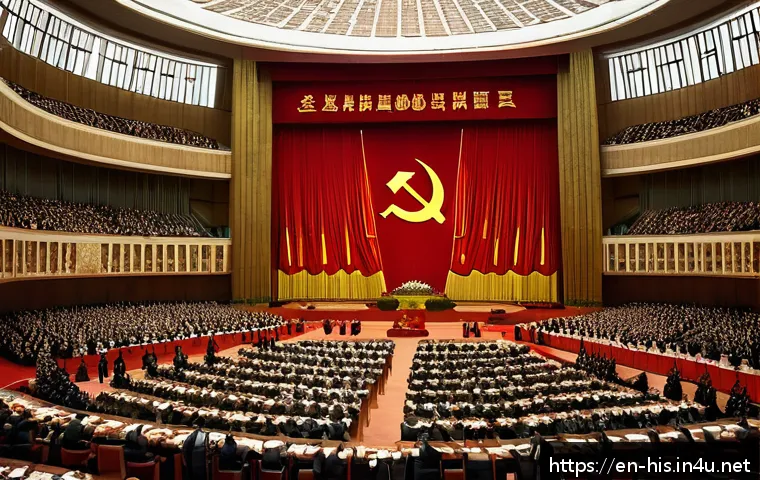
The success of the Russian Revolution inspired communist parties and movements around the globe. From China to Cuba, from Eastern Europe to Southeast Asia, revolutionary leaders looked to the Soviet example as proof that a determined minority could overthrow entrenched elites.
This wave of communism significantly altered international relations, contributing to the ideological divides of the 20th century, especially during the Cold War.
Impact on Western Politics and Labor Movements
Even in capitalist countries, the Russian Revolution had a profound impact. It energized labor unions, socialist parties, and leftist intellectuals, who pushed for reforms to address workers’ rights and social inequality.
Governments became wary of communist influence, leading to crackdowns but also social welfare policies aimed at preventing revolutionary upheaval. The revolution thus reshaped political discourse far beyond Russia’s borders.
Communism’s Complex Legacy
While the ideal of a classless society remains appealing to many, the practical outcomes of communist regimes have been mixed and often controversial.
Issues like authoritarianism, economic inefficiency, and human rights abuses have marred the legacy of the Soviet model. Nonetheless, the Russian Revolution’s role in challenging traditional power structures and inspiring global debates on justice and equality is undeniable.
Understanding the Ideological Foundations and Practical Outcomes
| Aspect | Marxist Theory | Bolshevik Implementation |
|---|---|---|
| Class Structure | Classless society through proletarian revolution | Suppression of bourgeoisie and landlords, promotion of working class |
| Economy | Collective ownership of means of production | Nationalization of industries, War Communism, later NEP |
| Political Power | Rule by working class majority | One-party rule under Communist Party with democratic centralism |
| Social Change | End of exploitation and inequality | Land redistribution, promotion of literacy and gender equality |
| Internationalism | Global revolution of proletariat | Support for communist movements abroad, creation of Comintern |
The Role of Leadership and Vision in Shaping the Revolution’s Course
Lenin’s Charismatic and Strategic Leadership
Lenin’s ability to articulate a clear vision and adapt Marxism to Russia’s unique conditions was crucial. His leadership combined pragmatism with ideological commitment, guiding the Bolsheviks through moments of crisis with decisive action.
He was able to inspire loyalty and maintain discipline within the party, even when faced with enormous challenges, which was key to the revolution’s success.
Stalin’s Rise and the Transformation of Communist Governance
After Lenin’s death, Joseph Stalin emerged as the dominant figure, steering the Soviet Union toward a highly centralized and authoritarian state. His policies of rapid industrialization and collectivization drastically altered Soviet society but also caused immense suffering.
Stalin’s era marked a shift from revolutionary ideals toward consolidation of power, influencing how communism was practiced and perceived worldwide.
The Human Element: Popular Support and Resistance
The revolution was not just about leaders and ideology; it was deeply rooted in the experiences and aspirations of ordinary people. Soldiers exhausted by war, peasants desperate for land, and workers seeking dignity all played active roles.
However, there were also many who resisted or suffered under the new regime, highlighting the complex and often contradictory nature of this transformative period.
Conclusion
The Russian Revolution marked a profound turning point in world history, dismantling an old empire and introducing new political and social ideals. It demonstrated how deep-rooted inequalities and war can ignite transformative change. While the revolution’s outcomes were complex and often fraught with hardship, its legacy continues to influence global political thought and inspire movements seeking justice and equality.
Useful Information to Know
1. The Russian Empire’s weaknesses were exposed by the immense pressures of World War I, accelerating its downfall.
2. The Bolsheviks gained support by addressing urgent demands for peace, land, and workers’ rights with clear, radical promises.
3. Lenin adapted Marxist theory to Russia’s unique conditions, emphasizing a disciplined party and centralized leadership.
4. The civil war and policies like War Communism shaped the early Soviet state but also led to significant suffering and policy shifts.
5. The revolution inspired global communist movements and altered political landscapes far beyond Russia’s borders.
Key Takeaways
The Russian Revolution was a complex process driven by social unrest, war fatigue, and ideological innovation. Leadership played a crucial role in shaping its direction, with Lenin’s strategic vision and Stalin’s authoritarian consolidation leaving lasting impacts. The revolution’s attempt to create a classless society faced both inspiring successes and serious challenges, reflecting the difficulties of translating theory into practice. Understanding these dynamics helps us appreciate the profound historical significance and continuing debates surrounding this era.
Frequently Asked Questions (FAQ) 📖
Q: uestions about the Russian Revolution and the Birth of CommunismQ1: How did the Russian Revolution lead to the establishment of communism?
A: The Russian Revolution of 1917 marked the overthrow of the Tsarist autocracy and paved the way for the Bolsheviks, led by Vladimir Lenin, to seize power.
Their goal was to create a classless society based on Marxist principles, which meant abolishing private ownership of land and industry. By nationalizing resources and redistributing wealth, they aimed to eliminate social inequalities.
This revolution was the first successful attempt to implement communism on a national scale, setting a powerful example that inspired communist movements worldwide.
Q: Why did communism spread beyond Russia after the revolution?
A: After the revolution, the Soviet Union actively promoted communism as an alternative to capitalist systems, especially during the interwar period and the Cold War.
The idea of a workers’ state appealed to many countries struggling with economic hardship and social injustice. Moreover, the Soviet Union provided support, training, and resources to communist parties and insurgencies globally, which helped spread the ideology.
The Russian Revolution’s success demonstrated that an oppressed class could rise up and challenge existing power structures, giving hope to millions in various regions.
Q: What lasting impact did the Russian Revolution have on global politics?
A: The Russian Revolution fundamentally altered the 20th-century geopolitical landscape by introducing the first communist superpower. It sparked ideological conflicts, most notably the Cold War, shaping international relations for decades.
The revolution also influenced social policies, labor rights, and anti-colonial movements worldwide. Even today, the legacy of communism affects political discourse, economic debates, and the way we understand power and equality.
Understanding this historical event helps us grasp the roots of many contemporary global issues.