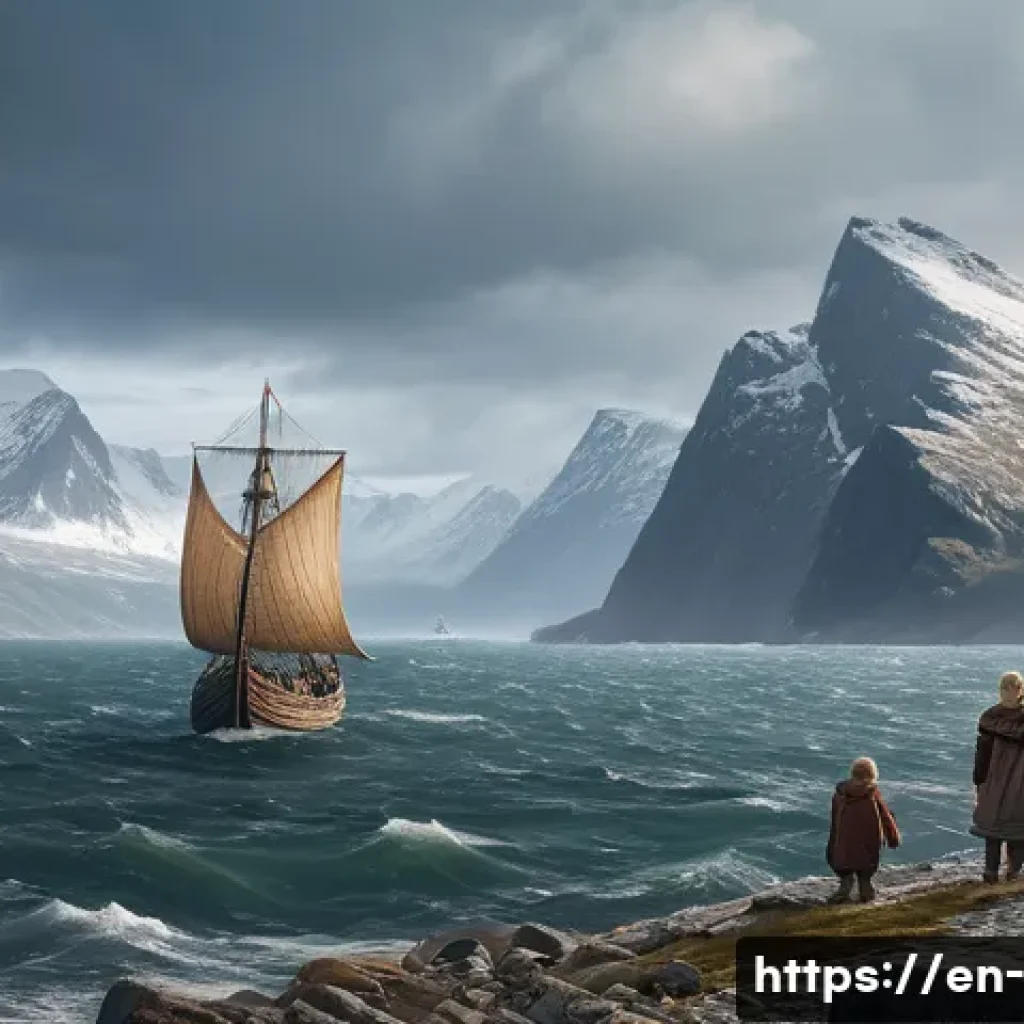
Hey there, fellow history buffs and adventure seekers! You know, there’s just something incredibly captivating about the Vikings, isn’t there? Lately, it feels like they’re everywhere – from epic TV sagas to mind-blowing archaeological finds that are literally rewriting history.
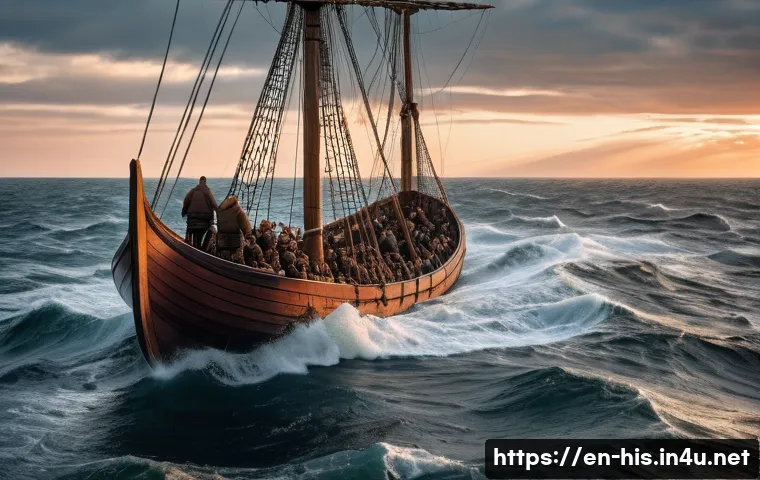
I mean, just when you think you know their story, a new discovery pops up, like those recent digs in Norway unearthing ancient burial sites, or the incredible precision in dating their North American settlements, reminding us just how far these Norse explorers truly ventured.
It’s not just about the thrilling raids and powerful longships; it’s about a culture that bravely pushed the boundaries of the known world, establishing communities from icy Greenland all the way to North America.
There’s a real depth to their legacy that goes far beyond the stereotypes, and I personally find it fascinating to see how modern research continues to shed new light on their incredible ingenuity and resilience.
Seriously, these aren’t just characters from old sagas; they were trailblazers who left an indelible mark on our world. Ready to unravel the true tales of their epic explorations and colonization?
Let’s dive deeper and uncover their extraordinary journey together!
Setting Sail: What Drove These Norse Trailblazers Westward?
It’s easy to picture Vikings as fierce warriors, driven purely by the thrill of battle, but my own deep dives into their history have shown me it was so much more nuanced than that.
Seriously, I’ve always felt there’s a real human story behind their incredible voyages. Imagine living in a world where good arable land was scarce, family feuds were constant, and the promise of new, fertile territories was whispered on every gust of wind.
That’s the reality many Norse people faced, pushing them to look beyond their familiar fjords. It wasn’t just about raiding; it was often about survival and opportunity.
Think about it: if your crops are failing and your community is bursting at the seams, wouldn’t you cast your eyes towards the horizon for a fresh start?
I certainly would. These were incredibly pragmatic people, and while the sagas might emphasize glory, the practical need for land, resources, and even a bit of peace from local chieftains was a huge, undeniable driving force behind their westward expansion.
It really puts their daring voyages into perspective when you consider the stakes they were playing for. They weren’t just adventurers; they were economic migrants and refugees of a sort, seeking a better life for themselves and their kin.
Beyond the Raids: Resource Scarcity and New Beginnings
When I first started delving into Viking history, I was struck by how often the need for resources played a role. It wasn’t always about plunder; sometimes, it was about finding new places to farm, new fishing grounds, or even just timber for their incredible ships.
The lands they inhabited in Scandinavia, while beautiful, weren’t always the most forgiving. Population growth, combined with environmental factors, put immense pressure on existing settlements.
I can almost feel the collective sigh of relief they must have let out when they first sighted the green shores of Iceland or Greenland, promising new pastures for their livestock and fertile soil for their crops.
It makes me think about modern-day migrations and how deeply intertwined human movement is with the basic needs for sustenance and a stable home. They were, in many ways, the ultimate pioneers, not just conquering lands but trying to create sustainable new lives for themselves and generations to come.
The Call of the Uncharted: Political Freedom and Ambition
Another factor I’ve come to appreciate is the desire for political autonomy. Scandinavia wasn’t a unified land back then; it was a patchwork of petty kingdoms and powerful jarls, often engaged in fierce rivalries.
For some, the journey west was an escape from oppressive rule or the consequence of losing a power struggle. Imagine being a proud, independent-minded individual caught in a system where your destiny was dictated by a powerful lord.
The opportunity to establish a new settlement, where you could be your own leader or at least escape the constant political turmoil, must have been incredibly appealing.
I see this entrepreneurial spirit, this fierce independence, as a hallmark of their character. It wasn’t just a physical journey; it was a journey towards self-determination, a chance to forge a new society on their own terms, free from the constraints of their old world.
That’s a feeling I think we can all relate to, even today.
Masters of the Waves: The Ingenuity of Norse Seafaring
Let’s be real, the Vikings weren’t just lucky; they were absolute geniuses when it came to naval engineering and navigation. Honestly, every time I see a replica of a longship, I’m just blown away by its elegance and efficiency.
It’s one thing to build a boat, but it’s another entirely to construct vessels that could not only cross vast, treacherous oceans but also navigate shallow rivers with incredible speed and agility.
Their ships weren’t just transportation; they were a central part of their identity and the very engine of their expansion. From the keel up, these ships were marvels of their time, perfectly adapted for both warfare and long-distance exploration.
I’ve often thought about how nerve-wracking it must have been to set out into the unknown in these open vessels, battling the elements, relying solely on their craftsmanship and celestial knowledge.
It really speaks volumes about their incredible courage and skill, and it makes you realize that their journeys weren’t just random acts of bravery, but calculated endeavors supported by cutting-edge technology.
They had a deep, almost instinctual understanding of the sea, passed down through generations.
The Longship: A Triumph of Design
The longship, in my humble opinion, is one of the greatest inventions in maritime history. These weren’t bulky, slow cargo ships; they were sleek, shallow-drafted vessels designed for speed, flexibility, and seaworthiness.
I mean, think about it – a ship capable of crossing the North Atlantic, yet light enough to be carried over land if needed! The clinker construction, where planks overlap, gave them both strength and flexibility, allowing them to ride the waves rather than fight against them.
And the square sail, while simple, was incredibly effective for ocean voyages. When I visualize these ships, sails unfurled, cutting through the waves, it gives me chills.
They weren’t just functional; they were beautiful, often adorned with intricate carvings, showcasing the Vikings’ artistic flair alongside their engineering prowess.
It’s a testament to their deep connection with the sea and their unwavering belief in their craft.
Navigating the Unseen: Stars, Suns, and Sea Birds
Without GPS or modern charts, how did they find their way across thousands of miles of open ocean? This is where their mastery truly shines. They were incredible observational navigators.
They used the sun, stars, and even phenomena like “sunstones” to determine their position and direction. I’ve read accounts of how they would release ravens, knowing these birds would fly towards land, giving them a bearing.
Can you imagine relying on a bird to guide you through the fog? That’s pure, unadulterated resourcefulness. They observed wave patterns, cloud formations, and the flight paths of seabirds, constantly gathering information from their environment.
It wasn’t just about raw courage; it was about an acute understanding of nature and the accumulation of generations of practical knowledge. They truly lived by the saying, “He who does not know the sea, knows not the land.”
Pioneering the North Atlantic: From Iceland’s Shores to Greenland’s Icy Embrace
It blows my mind how these early Norse explorers didn’t just make a quick raid and turn back. No, they pushed further, settling in incredibly harsh, remote locations like Iceland and Greenland.
I’ve often wondered about the sheer grit and determination it must have taken to establish a functioning society in places that, even today, challenge human endurance.
When I think about it, their journey wasn’t just about reaching a destination; it was about transforming it into a home, building communities that lasted for centuries.
It’s a testament to their resilience and adaptability, a true pioneering spirit that resonates even now. They weren’t just finding land; they were creating new worlds for themselves.
Iceland: A Northern Refuge
Iceland was probably the first significant permanent settlement beyond their immediate Scandinavian homelands, and what a place to choose! When I picture those early settlers arriving, seeing the volcanic landscapes and vast expanses, I imagine a mix of awe and trepidation.
They brought their livestock, their traditions, and their desire for self-governance. The establishment of the Althing, one of the world’s oldest parliaments, on the plains of Þingvellir, truly showcases their commitment to law and order, even in a new, wild frontier.
It wasn’t just a place to live; it was a place to build a society from the ground up, a testament to their legal and social sophistication. Living there for centuries, they developed a unique culture, preserving sagas and traditions that give us invaluable insights into their way of life.
Greenland: A Frozen Frontier
Then came Greenland, and honestly, that takes Viking resilience to a whole new level. Erik the Red, a figure I find utterly fascinating, led the charge, giving the island its deceptively inviting name to attract settlers.
I can only imagine the sheer willpower needed to carve out a living in those isolated fjords, surrounded by ice and fierce weather. They established two main settlements, the Eastern and Western Settlements, and despite the harsh conditions, they thrived for over 400 years.
Their survival depended on a delicate balance of farming, hunting marine mammals like seals and walrus, and trading with the mainland. It’s a powerful reminder that even in the most extreme environments, human ingenuity and community spirit can find a way to flourish, albeit precariously.
Across the Great Ocean: Unearthing Vinland, North America
Okay, so if you’re like me, the idea of Vikings in North America has always been incredibly exciting, almost like a myth made real. But what if I told you that it’s not just a legend, but a thoroughly documented historical fact, with archaeological proof to back it up?
This isn’t just a cool story; it’s a monumental chapter in global history, showing that European contact with North America happened centuries before Columbus.
Every time I think about Leif Erikson and his crew sailing west from Greenland, pushing into entirely unknown waters, I get goosebumps. They were truly pushing the boundaries of the known world, and their voyages were nothing short of epic.
Leif Erikson’s Bold Journey West
The sagas tell us that Leif Erikson, son of Erik the Red, was the first European to set foot on North American soil around 1000 CE. He wasn’t just exploring; he was looking for new resources, particularly timber, which was scarce in Greenland.
Imagine the sheer audacity! Sailing west from Greenland, they first encountered what they called Helluland (“Flat-stone Land”), then Markland (“Forest Land”), before finally discovering Vinland (“Wineland”).
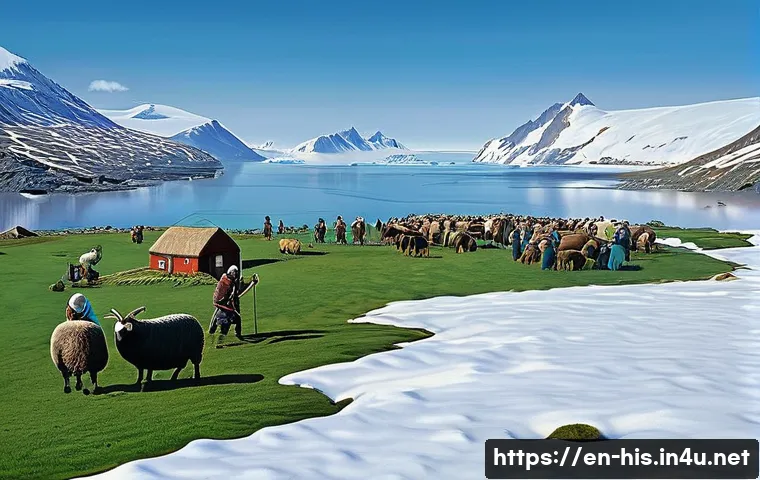
I can only picture their excitement, seeing fertile lands rich with grapes (or berries, as some interpret it) and abundant timber. It must have felt like paradise after the stark landscapes of Greenland.
This wasn’t just an accidental drift; it was a deliberate expedition, a testament to their advanced seafaring capabilities and unwavering spirit of adventure.
The L’Anse aux Meadows Discovery: Concrete Proof
For centuries, Vinland was just a saga. But then, in the 1960s, a team of archaeologists led by Helge and Anne Stine Ingstad made an incredible discovery at L’Anse aux Meadows in Newfoundland, Canada.
When I first learned about this, my jaw literally dropped. They unearthed the remains of a Norse settlement – turf longhouses, a forge, and artifacts like a bronze pin and spindle whorl, all unequivocally dated to the Viking Age.
It was the definitive proof the world needed. Suddenly, the sagas weren’t just tales; they were historical documents. The site clearly indicated a temporary settlement, likely a base camp for exploring and gathering resources, rather than a permanent colony.
This single discovery changed our understanding of transatlantic history forever, and honestly, it still gives me chills to think about it.
| Viking Settlement Location | Key Features/Significance | Estimated Period of Settlement |
|---|---|---|
| Iceland | Extensive permanent colonization, Althing (early parliament), rich saga preservation. | ~870 CE – Present |
| Greenland (Eastern & Western Settlements) | Permanent farming and hunting communities, harsh climate, eventual decline due to environmental/social factors. | ~985 CE – ~1450 CE |
| Vinland (L’Anse aux Meadows, Newfoundland) | Archaeologically confirmed temporary base camp, first European presence in North America. | ~1000 CE (short-lived) |
Why Did Vinland Fade? The Enigma of the Western Settlements’ Retreat
So, with such an incredible discovery of North America, the natural question for me (and probably for you too!) is: why didn’t the Vikings stay? Why didn’t Vinland become a lasting colony like Iceland or Greenland?
It’s a complex puzzle, and honestly, the more I dig into it, the more I realize it wasn’t one single reason but a confluence of formidable challenges that ultimately led to their retreat.
It makes you wonder about the fine line between pioneering success and the limits of human endurance, even for a people as resilient as the Vikings.
Clash of Cultures: Encounters with the Skraelings
One of the most significant factors, heavily emphasized in the sagas, was the encounters with the indigenous peoples, whom the Norse called “Skraelings.” These interactions weren’t always peaceful.
I can easily imagine the cultural shock and misunderstandings on both sides. The sagas describe initial trade, but also fierce skirmishes. The indigenous populations were numerous and well-established, making any attempt at large-scale colonization incredibly challenging and dangerous for a small group of Norse settlers.
It wasn’t a matter of conquering an empty land; it was attempting to settle in a territory already inhabited by people who were perfectly capable of defending themselves.
I think about how difficult it is for cultures to coexist even today, and these clashes, thousands of miles from home, would have been incredibly taxing.
Logistical Nightmares and Environmental Shifts
Beyond the human element, the sheer logistics of maintaining a permanent settlement so far from their Greenlandic and Icelandic bases must have been a nightmare.
Supply lines were incredibly long and treacherous, exposed to the brutal North Atlantic weather. Imagine waiting months, even years, for vital supplies or reinforcements.
Furthermore, there’s compelling evidence that the climate was shifting. The “Little Ice Age” began to set in, making sea travel more difficult due to increased ice and worsening weather conditions, and also impacting farming in Greenland.
These environmental pressures would have made the already daunting task of colonization virtually insurmountable. When I consider all these factors, it makes perfect sense why they eventually packed up and headed back east.
Sometimes, even the most daring explorers have to recognize when the odds are stacked too high against them.
Echoes Through Time: The Enduring Legacy and Modern Fascination
Even though their direct presence in North America was fleeting, the Viking explorations left an indelible mark on history, and their story continues to captivate us, myself included!
It’s incredible how new discoveries keep emerging, constantly refining our understanding of these extraordinary people. From blockbuster movies and TV shows to archaeological digs that unearth astounding new details, the Vikings seem to be everywhere, reminding us of their enduring impact.
For me, it’s not just about historical facts; it’s about appreciating the human spirit of adventure, innovation, and resilience that defines their age.
New Revelations from the Shovel and the Lab
Archaeology is still rewriting the Viking narrative. Just recently, carbon dating techniques have provided incredibly precise timelines for their North American settlements, sometimes even down to the specific year, offering new layers of detail to what we once only glimpsed in sagas.
There are ongoing digs in Iceland, Greenland, and even various parts of Canada that are continually unearthing artifacts, building foundations, and even entire longhouse structures.
Every new find, from a tiny bead to a fully preserved boat, gives us a clearer picture of their daily lives, their trade networks, and their incredible ingenuity.
It feels like we’re always just one dig away from another groundbreaking revelation, and that’s truly exciting for history lovers like me!
From Sagas to Screens: The Viking Resurgence in Popular Culture
Beyond academia, the Vikings have exploded in popular culture, and honestly, I’m here for it! From epic TV series like “Vikings” and “The Last Kingdom” to video games and even fashion trends, their image as formidable explorers and complex individuals has truly resonated with modern audiences.
While these portrayals sometimes lean into stereotypes, they also spark genuine interest and encourage people to delve deeper into the real history, which I think is fantastic.
It’s amazing to see how a civilization from over a thousand years ago continues to inspire and intrigue us, proving that their legacy is far from over.
Their story isn’t just confined to textbooks; it’s alive and thriving in our collective imagination.
Wrapping Up Our Epic Journey
As we wrap up our incredible journey through the sagas and archaeological sites, I truly hope you’ve felt the same sense of awe and profound respect I have for the Norse trailblazers. Their voyages weren’t just random acts of daring or mere tales of conquest; they were a testament to unparalleled human resilience, groundbreaking ingenuity, and an unyielding quest for a better life and a new future for their families. It’s truly mind-boggling to think about the sheer courage it took to pack up everything, leave the familiar behind, and sail into the vast, unknown expanse of the ocean, driven by both necessity and grand ambition, eventually leaving such a profound and undeniable legacy across continents. What an inspiring testament to the indomitable human spirit and our innate desire to explore, wouldn’t you agree? Their story reminds us that sometimes, the greatest leaps forward come from the most pressing needs and the boldest dreams.
Handy Tips & Fascinating Facts You’ll Want to Know
Here are a few extra tidbits and practical pointers I’ve picked up during my own explorations into Viking history that I think you’ll find incredibly useful or just plain fascinating:
-
Visit L’Anse aux Meadows: If you ever get the chance, a trip to L’Anse aux Meadows in Newfoundland, Canada, is an absolute must-do. Walking among the reconstructed turf houses where Leif Erikson’s crew once lived is an experience unlike any other. It’s like stepping back in time, and the interpretive center there does an amazing job of bringing their story to life. Seriously, you can almost hear the echoes of their conversations and the clang of the forge. It’s a tangible link to that incredible first European presence in North America and truly makes the sagas feel real. Don’t forget your sturdy walking shoes and a good camera!
-
Delve into the Sagas: For a truly immersive experience, I highly recommend picking up translations of the Icelandic Sagas, especially “Eirik the Red’s Saga” and “The Saga of the Greenlanders.” These aren’t just dry historical texts; they’re gripping narratives filled with adventure, drama, and incredibly human characters. They offer such vivid insights into the motivations, beliefs, and daily lives of these early explorers, far beyond what any textbook can convey. You’ll find yourself completely lost in their world, imagining the long winter nights spent telling these very stories around a flickering hearth. It’s how I really started to ‘get’ them!
-
Explore Scandinavian Museums: If you’re planning a European adventure, don’t miss the Viking Ship Museum in Oslo, Norway, or the National Museum of Denmark in Copenhagen. They house incredibly preserved longships, intricate artifacts, and fascinating exhibits that showcase the Vikings’ unparalleled craftsmanship and sophisticated culture. Seeing a real Viking ship up close, with all its elegant curves and powerful lines, is truly breathtaking and gives you an unparalleled appreciation for their mastery of the seas. I remember spending hours just staring at the Oseberg ship, absolutely mesmerized.
-
Understand the Climate Factor: When you’re thinking about why some settlements thrived and others faded, always keep the climate in mind. The medieval warm period initially aided their expansion, but the onset of the Little Ice Age played a significant role in the eventual abandonment of Greenland and the challenges faced in Vinland. It’s a powerful reminder of how human history is often intertwined with environmental shifts, and how adaptable (or not) societies have to be. It puts their struggles and triumphs into a very real, environmental context that often gets overlooked.
-
Beyond the “Warrior” Stereotype: Remember that while the warrior aspect is certainly a part of their story, the Norse people were also skilled farmers, traders, craftspeople, and innovators. Many of their westward journeys were driven by a search for arable land and resources, not just plunder. Challenging that one-dimensional stereotype helps you appreciate the full complexity and richness of their culture. I mean, they created intricate jewelry, codified laws, and built sophisticated societies in challenging environments. There’s so much more to them than just battle axes and horned helmets!
Key Takeaways from Our Norse Odyssey
To sum up our adventure with these incredible Norse explorers, what truly stands out for me is the compelling tapestry of push and pull factors that drove their monumental westward expansion. It was so much more than just the thrill of raiding; it was often a deeply pragmatic search for fertile new lands, essential vital resources like timber, and the cherished promise of political freedom away from challenging homelands. Their remarkable success was fundamentally underpinned by their extraordinary shipbuilding expertise and unparalleled navigational prowess, truly making them undisputed masters of the unforgiving North Atlantic. While they established enduring and thriving settlements in Iceland and Greenland, their brief but incredibly significant foray into Vinland in North America stands as a powerful reminder of both their audacious pioneering spirit and the formidable, often insurmountable, challenges of long-distance colonization, especially when faced with established indigenous populations and immense logistical nightmares. Their enduring legacy, though rooted in events centuries past, continues to inspire and inform us, revealing a complex, incredibly resilient, and utterly fascinating people whose profound impact still reverberates vibrantly in our modern world.
Frequently Asked Questions (FAQ) 📖
Q: How far did the Vikings truly explore and colonize beyond their Scandinavian homelands?
A: Oh, this is one of my absolute favorite questions to tackle because it really showcases just how incredibly daring and skilled these folks were! When we think of Vikings, many picture raids on England, but honestly, that’s just the tip of the iceberg.
These intrepid explorers truly pushed the boundaries of the known world. They weren’t just raiders; they were remarkable navigators and settlers. From what I’ve been reading and seeing in recent archaeological updates, their reach was astounding.
They established thriving communities across the North Atlantic, venturing far beyond familiar waters. We’re talking permanent settlements in Iceland and Greenland, which, let’s be real, are no easy places to thrive even today!
But what always blows my mind is their journey to North America. Yes, you heard that right! Places like L’Anse aux Meadows in Newfoundland are concrete proof that they landed there, hundreds of years before Columbus.
Imagine the sheer courage it took to cross such a vast, unpredictable ocean in their longships, exploring new lands like Vinland. It just puts their ingenuity and resilience into a whole new perspective for me, personally.
They were truly global pioneers, long before “global” was even a concept!
Q: What motivated the Vikings to embark on such perilous journeys to colonize new lands? Was it just about raiding?
A: That’s a fantastic question, and it really gets to the heart of understanding the Viking age beyond the popular myths. While the image of fierce Viking raiders is definitely part of their history, colonization was driven by a much more complex mix of factors than just plunder.
From what I’ve gathered through my own research and digging into historical texts, population pressures back home in Scandinavia certainly played a role.
More people meant a greater need for land and resources. Farming land wasn’t limitless, and new territories offered opportunities for a fresh start, especially for younger sons who might not inherit land.
Trade was also a massive motivator. Setting up outposts and settlements meant establishing new trade routes for valuable goods like furs, timber, and even walrus ivory, which was a huge commodity back then.
Think about it: a new settlement could become a hub for commerce. And let’s not forget the spirit of adventure and a desire for status! Imagine the prestige of discovering and settling a new land.
It wasn’t just about survival; it was about expanding their horizons, creating new legacies, and yes, sometimes escaping political strife or seeking power away from established rulers.
It wasn’t a single, simple reason, but a tapestry of human ambition, necessity, and sheer guts!
Q: How are modern archaeological discoveries and research changing our understanding of Viking colonization and their impact?
A: Oh, this is where it gets incredibly exciting for me! Honestly, it feels like every other month there’s a new discovery that just flips our previous notions of the Vikings on their head.
For so long, our understanding was based heavily on sagas and limited finds, but now, with advanced technology, we’re literally unearthing history. Recent digs, like those fascinating unearthings in Norway that I mentioned earlier, are revealing so much more about their daily lives, their burial customs, and even the intricate social structures within their communities.
The precision in dating their North American settlements, like L’Anse aux Meadows, is getting better and better, allowing us to accurately pinpoint when they were there and for how long.
It’s not just about confirming they were there; it’s about understanding the logistics, the challenges they faced, and their interactions with indigenous peoples.
These aren’t just vague historical accounts anymore; we’re getting tangible evidence. And I’ve seen some incredible new research on DNA analysis, showing us migration patterns and even linking modern populations back to these ancient voyagers.
It’s moving beyond just stereotypes of “raiders” to a nuanced appreciation of them as sophisticated explorers, masterful craftspeople, and complex societies who fundamentally shaped parts of the world we live in today.
It’s truly a thrilling time to be a Viking enthusiast, seeing history literally rewritten before our eyes!