Have you ever wondered what it truly takes to unite a vast and diverse land under a single, unwavering banner? I mean, really, think about the sheer scale of ambition and the intricate web of challenges involved.
For me, diving into the annals of history always brings up incredible figures, and one who consistently captures my imagination is Emperor Wu of Han. He wasn’t just a ruler; he was a titan who reshaped the very fabric of ancient China, pushing its borders and solidifying its identity in ways that still echo today.
What fascinates me most isn’t just his military might, but the ingenious and sometimes utterly ruthless strategies he employed to knit together an empire that was constantly threatening to unravel.
In a world where nation-building and strategic influence are as vital as ever, looking back at his methods offers a fascinating lens through which to view leadership and power.
It’s truly eye-opening to see how his policies, from economic reforms to cultural assimilation, created a legacy that endured for centuries, proving just how a single leader’s vision can dictate the future.
Let’s accurately explore his unification strategies in detail.
Forging an Empire: How One Ruler Rewrote the Map
You know, when I first started digging into Emperor Wu, what immediately struck me wasn’t just his ambition, but the sheer audacity of his vision. He didn’t just want to rule; he wanted to *reshape* the world around him. It takes a truly special kind of leader, one with an almost unparalleled blend of strategic brilliance and relentless drive, to look at a vast, diverse land and decide, “This will be one.” I’ve often thought about what it must have felt like to be in his inner circle, witnessing these grand plans unfold. The risks were astronomical, the logistical challenges mind-boggling, and yet, he pushed forward, expanding the Han Dynasty’s reach in ways that left an indelible mark on history. It wasn’t just about conquering land; it was about integrating those new territories, making them a part of a larger whole, which, as anyone who’s tried to manage a large project knows, is often the hardest part.
Confronting the Northern Threat: The Xiongnu Campaigns
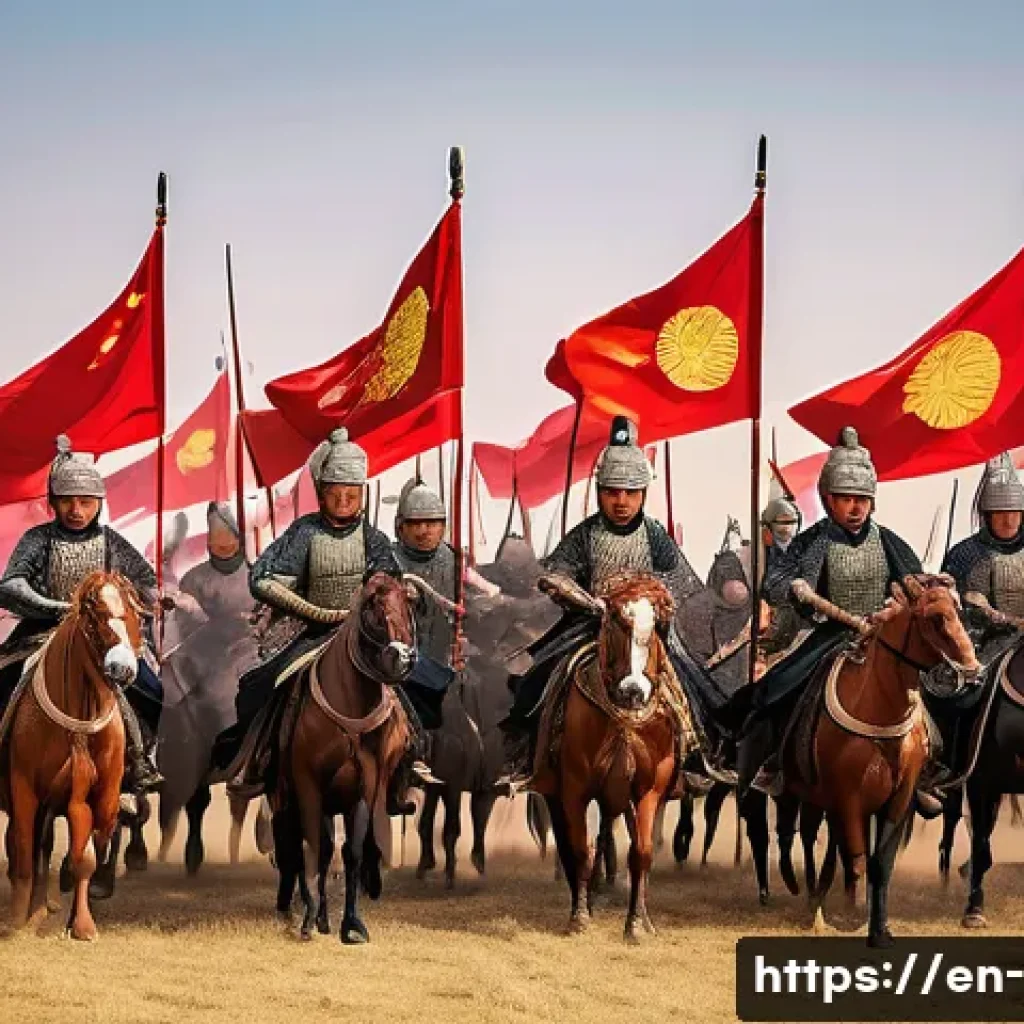
Let’s be real, you can’t talk about Emperor Wu without talking about the Xiongnu. For centuries, these nomadic tribes were a constant thorn in China’s side, raiding borders and demanding tribute. Imagine living in a world where your northern frontier was perpetually under threat – it must have created an immense sense of insecurity. What I find incredibly impressive is how Wu flipped the script. Instead of just playing defense, he went on the offensive, launching massive, coordinated military campaigns that pushed the Xiongnu deep into the steppes. It wasn’t an overnight victory, mind you; these were decades of brutal, costly warfare. But his commitment to securing the northern borders wasn’t just about protection; it was a clear declaration of Han power, sending a message that China was no longer a realm to be trifled with. I mean, personally, I can’t even get my kids to clean their rooms consistently, let alone orchestrate multi-year military campaigns across vast distances!
Expanding South and East: A Legacy of Conquest
But Emperor Wu’s ambition wasn’t confined to the north. His eyes were set on practically every horizon. I’ve always been fascinated by how leaders manage to juggle so many major initiatives simultaneously. While the Xiongnu were a primary concern, he also orchestrated campaigns that brought the kingdoms of Nanyue (modern-day Guangdong and northern Vietnam), Dian (Yunnan), and even parts of Korea under Han control. This wasn’t just about adding land to a map; it was about extending China’s cultural and economic influence. Think about the impact of these expansions – new trade routes opening up, diverse cultures being brought into the Han sphere, and a unified sense of identity slowly beginning to coalesce across these vast territories. It truly cemented China as the regional hegemon, something that I believe set the stage for much of its future imperial history. It’s a testament to his belief that a strong empire needed to be a geographically extensive one.
Mastering the Market: Crafting Economic Control
Honestly, when people talk about ancient emperors, they often focus on battles and palaces. But for me, the real genius of Emperor Wu also lay in his understanding of economics. He wasn’t just a warrior king; he was a brilliant financial strategist, and that’s something I genuinely admire. He understood that military campaigns and a burgeoning empire cost serious money, and he wasn’t afraid to shake up the status quo to get it. It was a risky move, pushing against powerful merchant families and established norms, but the payoff for the imperial coffers was immense. I think it highlights a crucial lesson for any leader: you can have the grandest visions, but without a solid financial foundation, they’re just dreams. He managed to centralize wealth and resources in a way that directly supported his unification and expansion efforts, essentially making the state the ultimate economic powerhouse.
The State’s Grip: Monopolies on Essentials
One of the boldest moves Emperor Wu made, and one that absolutely fascinates me, was the establishment of state monopolies. Imagine the government taking over the production and sale of salt, iron, and even liquor! In today’s world, that would be headline news for weeks, with debates raging about interventionism. Back then, it was revolutionary. Salt was essential for food preservation and health, iron for tools and weapons, and liquor was, well, a popular commodity. By controlling these crucial industries, the emperor not only generated enormous revenue for the state but also reduced the power of wealthy merchants who had previously dominated these sectors. It was a clear, unambiguous statement: the emperor, and by extension the state, held ultimate control over the empire’s vital resources. I mean, it’s a stark reminder that sometimes, to achieve grand objectives, leaders have to make tough, even unpopular, economic decisions.
Standardizing Prosperity: Coinage and Currency
Before Emperor Wu, China’s currency situation was, shall we say, a bit of a free-for-all. Different regions used different coins, making trade and taxation a logistical nightmare. I can only imagine the headaches that caused for anyone trying to conduct business across various prefectures. Wu recognized that a truly unified empire needed a unified economy, and a standardized currency was absolutely essential for that. He centralized coinage production, introducing the *Wuzhu* coin, which became the standard currency for centuries. This move wasn’t just about convenience; it strengthened the central government’s economic power, made trade more efficient, and helped to integrate the diverse regions of the empire into a single economic system. It’s a detail that might seem minor, but from my perspective, it’s these kinds of foundational reforms that truly glue an empire together, making daily life and commerce smoother for everyone, from the humblest farmer to the wealthiest merchant.
Beyond Bloodlines: Centralizing Power and Merit
We often think of ancient monarchies as being all about inherited power, right? And while that was certainly a big part of it, Emperor Wu was savvy enough to realize that relying solely on aristocratic bloodlines wasn’t always the most effective way to run a vast empire. He understood that a truly strong central government needed to be supported by capable individuals, regardless of their family connections. This wasn’t just about fairness; it was about pragmatism. When you’re trying to unite millions of people and manage an expanding territory, you need the best minds and most dedicated workers you can find. I’ve always felt that recognizing talent, wherever it lies, is a hallmark of true leadership, and Emperor Wu certainly demonstrated that in his approach to governance.
Weakening the Warlords: Imperial Authority Reigns Supreme
One of the biggest internal threats to the early Han Dynasty came from powerful regional lords, many of whom were relatives of the imperial family. These lords commanded vast territories and armies, often acting like kings in their own right, and constantly posed a challenge to the central government’s authority. Emperor Wu was incredibly clever in how he tackled this. He didn’t just go to war with them directly, though he did when necessary. Instead, he implemented policies like the “Decree of Bestowal,” which essentially forced these powerful lords to divide their lands among all their sons, rather than just the eldest. Over generations, this fragmented their power base, gradually whittling down their influence and making them less of a threat to the imperial center. It was a brilliant, long-term strategy that allowed the emperor to centralize power without always resorting to bloody conflict. It’s a fascinating example of strategic patience.
The Rise of the Scholars: A New Path to Power
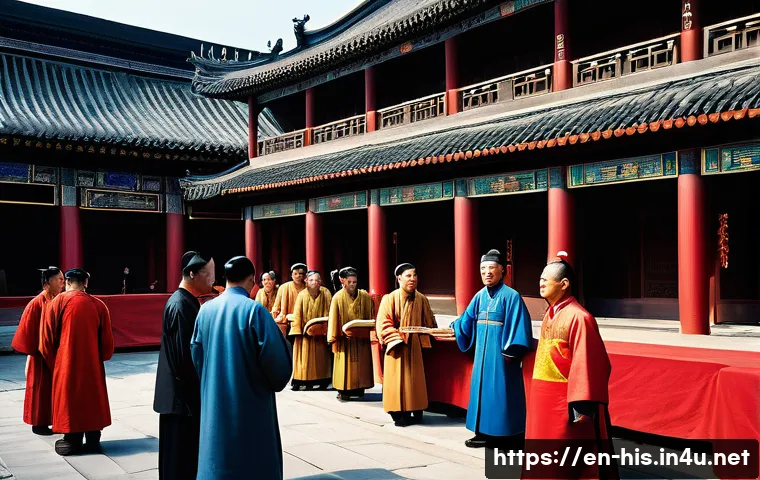
Alongside weakening the hereditary aristocracy, Emperor Wu actively promoted a new class of officials chosen for their administrative ability and knowledge, particularly of Confucian classics. He established imperial academies and a rudimentary examination system to select these individuals. This was a monumental shift! Instead of just being born into power, people could now *earn* their way into positions of influence through merit. This created a loyal bureaucracy directly accountable to the emperor, reducing reliance on potentially disloyal regional lords. From my own perspective, it was a genius move. It provided upward mobility for talented commoners, boosting morale, and ensured that the government was staffed by educated individuals who shared a common set of values. It’s truly incredible how this system, in various forms, persisted for over a thousand years in China.
Shaping the Soul of an Empire: Cultural Unification
You can conquer lands and control economies, but if you don’t unite the hearts and minds of the people, that unity is always fragile. This is where Emperor Wu truly showed his depth as a ruler. He understood that a shared identity, a common set of values, was just as important as military might or economic reforms in creating a truly cohesive empire. It’s not enough to just draw lines on a map; you need to weave a cultural fabric that binds everyone together. I often think about how difficult this must have been, given the sheer diversity of cultures and local customs across ancient China. Yet, he embarked on an ambitious program that profoundly shaped Chinese thought and identity for centuries to come, proving that lasting unification goes far beyond mere political control.
Confucianism as State Orthodoxy: A Guiding Philosophy
Before Emperor Wu, there was a kind of intellectual free-for-all, with various philosophical schools like Legalism, Daoism, and Confucianism all vying for influence. Wu made a decisive choice: he elevated Confucianism to the official state ideology. This wasn’t just a preference; it was a strategic move. Confucianism emphasized filial piety, loyalty to authority, social harmony, and the importance of education – all principles that were incredibly beneficial for maintaining a stable and unified empire. By promoting these values through state-sponsored education and official appointments, he created a moral and ethical framework that permeated society, from the emperor down to the common people. It was a conscious effort to instill a common way of thinking and behaving, making people feel like part of something bigger. I mean, think about the power of a shared belief system in fostering unity; it’s truly transformative.
Fostering a Shared Identity: Education and Assimilation
Beyond simply endorsing Confucianism, Emperor Wu actively fostered a sense of shared Han identity throughout his vast empire. This involved promoting a common language, writing system, and cultural practices. The establishment of imperial universities and academies wasn’t just for training officials; it was also a powerful tool for cultural dissemination. Scholars and officials trained in Confucian classics and Han culture would then be sent to various regions, including newly conquered territories, helping to spread these ideas. It was a long game, of course, but it slowly but surely integrated diverse populations into the broader Han cultural sphere. When I think about it, it’s a profound lesson in how cultural soft power can be just as effective, if not more so, than military might in achieving long-term unification. It made people feel like they belonged to the same grand civilization.
The Unseen Foundations: Infrastructure and Innovation
While we often marvel at grand military victories or sweeping political reforms, sometimes the real unsung heroes of nation-building are the people who focus on the practical, the foundational aspects. Emperor Wu, for all his grand ambitions, also understood the critical role that robust infrastructure and agricultural innovation played in sustaining a unified empire. You can’t have a thriving economy or efficient governance if your people can’t travel or if they’re constantly battling famine. He wasn’t just building an empire in the abstract; he was building a tangible network that connected people, goods, and ideas. I personally believe that this commitment to the practical aspects of governance is what truly allowed his legacy to endure for centuries, long after the last soldier had laid down their sword.
Linking the Empire: Roads, Canals, and the Silk Road
Think about trying to manage an empire the size of Han China without modern transportation or communication. It’s mind-boggling, right? Emperor Wu tackled this head-on by investing heavily in infrastructure. He ordered the construction and repair of extensive road networks, making it easier for armies to move, for goods to be transported, and for officials to travel. Canals were also crucial, particularly for transporting grain from fertile southern regions to the more populous north. But perhaps his most famous infrastructural legacy is the opening of the Silk Road. While it developed over time, Wu’s campaigns and diplomatic missions into Central Asia were instrumental in securing these routes, linking China directly with the West. This wasn’t just a trade route; it was a cultural highway, bringing new ideas, goods, and technologies into China and projecting Han influence outwards. It completely changed the game for international relations.
Agricultural Ingenuity: Feeding a Growing Nation
With a rapidly expanding population and empire, feeding everyone became a paramount concern. Emperor Wu understood that widespread famine could destabilize everything he had worked so hard to build. He promoted agricultural innovations and better water management techniques. One significant measure was the construction of vast granaries across the empire, allowing the state to store surplus grain and distribute it during times of scarcity. This acted as a crucial buffer against famine and helped maintain social stability. Furthermore, by improving irrigation systems and encouraging the use of iron tools, agricultural productivity increased significantly. It’s often the less glamorous aspects of leadership, like ensuring a steady food supply, that truly underpin an empire’s strength and the well-being of its people. I mean, a full stomach usually makes for a much happier and more compliant populace, right?
| Area of Unification | Key Strategy Implemented by Emperor Wu | Immediate Impact |
|---|---|---|
| Military & Territorial Expansion | Aggressive campaigns against the Xiongnu; Conquest of Nanyue, Dian, and parts of Korea. | Secured borders, expanded Han territory, established China as a regional power. |
| Economic Control & Stability | State monopolies on salt, iron, and liquor; Standardization of coinage (Wuzhu coin). | Increased state revenue, weakened merchant power, facilitated trade, unified economy. |
| Political Centralization | “Decree of Bestowal” to weaken regional lords; Establishment of Imperial Academy and examination system. | Centralized imperial authority, created a meritocratic bureaucracy loyal to the emperor. |
| Cultural & Ideological Unity | Elevation of Confucianism as official state ideology; Promotion of common language and education. | Fostered a shared identity, provided a moral and ethical framework for governance and society. |
| Infrastructure & Connectivity | Construction of roads and canals; Opening of the Silk Road. | Improved transportation, facilitated trade and communication, expanded cultural exchange. |
Wrapping Things Up
And there you have it, folks! Emperor Wu wasn’t just some dusty historical figure; he was a dynamic force who truly understood the multifaceted nature of power. From the battlefield to the imperial treasury, and from the grand philosophical debates to the very roads people traveled, his vision was all-encompassing. What I personally find most compelling is how he wove together these disparate threads—military might, economic savvy, political centralization, cultural unity, and vital infrastructure—to create an empire that endured for centuries. It’s a powerful reminder that true leadership isn’t about one grand gesture, but about a sustained, strategic effort across every domain. It certainly makes me reflect on the complex tapestry of history and the extraordinary individuals who shaped it.
Handy Tidbits to Keep in Mind
1. The Han Dynasty, initiated by Emperor Gaozu and solidified by Emperor Wu, actually lasted for over four centuries (with a brief interruption), making it one of the longest and most influential dynasties in Chinese history. It’s truly incredible to think about the longevity and stability they managed to achieve, a testament to the foundational work done by leaders like Wu. It shows just how impactful a leader’s early decisions can be on the course of an entire civilization, shaping traditions and governance for generations that followed.
2. While Emperor Wu is renowned for his military prowess, he also fostered intellectual and artistic growth. The imperial academies he founded became centers of learning, attracting scholars from across the empire and contributing to a flourishing of philosophy, poetry, and historical writing. This blend of might and mind is something I always look for in truly great leaders; it’s not just about what you can take, but what you can cultivate and leave behind for future generations to cherish and build upon, cementing a cultural identity.
3. The famous historian Sima Qian, whose “Records of the Grand Historian” (Shiji) is considered a foundational text of Chinese history, was a contemporary of Emperor Wu. Despite facing severe punishment, including castration, for defending a general, Sima Qian persevered in his monumental work, offering an unparalleled look into the Han era and preceding dynasties. His dedication to truth and scholarship, even in the face of immense personal hardship, is just mind-blowing and makes you truly appreciate the sacrifices made for knowledge.
4. The “Wuzhu” coin, standardized during Emperor Wu’s reign, remained the primary currency in China for over 700 years! Imagine a single coin design being used for that long in today’s rapidly changing world. This incredible stability in currency was a huge factor in facilitating trade, taxation, and economic integration throughout the vast Han Empire, demonstrating the long-term impact of seemingly simple economic reforms. It really underlines how much consistency can matter for an economy.
5. Emperor Wu’s expansionist policies led to significant cultural exchange. The opening of the Silk Road didn’t just bring goods like silk to the West; it also introduced new ideas, religions (like Buddhism, though it gained prominence later), and technologies into China from Central Asia and beyond. This cross-cultural dialogue enriched Han society in countless ways, proving that while unification can be about internal consolidation, it also thrives on external connections and the fascinating blend of different worlds meeting.
Key Takeaways for Your Own Journey
Reflecting on Emperor Wu’s reign, what truly stands out is his comprehensive approach to empire-building. It wasn’t enough to simply conquer; he meticulously crafted a unified state through a brilliant combination of military strength, economic centralization, and astute political maneuvering. He understood that a truly cohesive empire required not just shared borders, but a shared identity, fostering cultural unity through Confucianism and promoting education. What I take from this is that lasting success, whether in an empire or in our own personal projects, requires a multi-faceted strategy and a deep understanding of how all the pieces fit together. It’s a masterclass in vision, execution, and the unwavering commitment to a long-term goal. His legacy teaches us that real power comes from integrating every aspect of a system, making it resilient and enduring.
Frequently Asked Questions (FAQ) 📖
Q: What were Emperor Wu’s most impactful military strategies for unifying and expanding the Han Empire?
A: From what I’ve seen, Emperor Wu’s military approach was truly transformative, marking a huge shift from previous Han policies. He really took the fight to the Xiongnu, those powerful nomadic tribes who had been a constant threat to China’s northern borders for decades.
Instead of just trying to appease them with gifts and alliances, he launched aggressive, large-scale campaigns that pushed them back, securing the northern frontiers and, honestly, giving the Han people a much-needed sense of security.
But he didn’t stop there. He also expanded the empire southward, bringing regions like modern-day Guangdong, Guangxi, and even northern Vietnam under Han control.
And let’s not forget his push westward into Central Asia, which was pivotal in opening up the famed Silk Road. These wasn’t just about conquering land; it was a strategic move to control vital trade routes and project Han power far beyond its traditional borders.
He even established military colonies in these newly acquired territories, settling soldiers and civilians to help integrate and stabilize them. It was a bold, sometimes brutal, but undeniably effective way to physically unite the disparate regions under one banner.
Q: Beyond military might, how did Emperor Wu centralize political power and integrate the empire domestically?
A: Okay, so military victories were huge, but what truly cemented his legacy was his genius for domestic policy. I mean, it’s one thing to conquer, it’s another to truly govern and unite.
One of his most critical moves was weakening the power of the feudal lords and aristocratic families. He did this through clever strategies like the “Tui En Ling” (Decree of Grace), which basically forced lords to divide their land among all their sons, rather than just the eldest, gradually shrinking their estates and influence.
He also created an “inner court” of loyal officials, often from more humble backgrounds, who reported directly to him, effectively bypassing the old guard and consolidating his personal authority.
And talk about a forward-thinker: he implemented economic reforms like nationalizing the salt and iron industries, turning huge profits for the state and giving the central government unprecedented financial control.
He even standardized coinage and improved infrastructure, which, in my experience, is key to any truly unified economy. These weren’t just administrative changes; they were fundamental shifts that pulled power from local elites and firmly placed it in the hands of the imperial court, setting the stage for centuries of centralized rule.
Q: What role did Confucianism play in Emperor Wu’s unification efforts, and how did it influence the empire’s cultural identity?
A: This is where Emperor Wu really gets interesting, especially for someone like me who loves to see how ideas shape nations. While he was definitely a man of action, he also understood the power of ideology.
He famously embraced Confucianism as the official state philosophy, pushing it as the moral and ethical framework for his entire empire. This wasn’t just a philosophical preference; it was a deliberate strategy for cultural unification.
He established the Imperial Academy, where future officials were trained in the Confucian classics, and introduced civil service exams based on these texts.
This meant that government positions were increasingly filled by talented individuals who shared a common set of values, rather than just by birthright.
I’ve always felt that a shared belief system is incredibly powerful for bringing people together, and Emperor Wu totally leveraged that. By promoting Confucian values like filial piety, righteousness, and social harmony, he provided a moral compass that permeated society, helping to stabilize the Han dynasty and create a distinct “Han identity” that, as we know, has endured for over two millennia.
It’s truly amazing how a single emperor’s vision can shape not just borders and laws, but the very soul of a civilization!