The British Empire’s rise to global dominance is a captivating story of exploration, innovation, and power. From modest beginnings as a collection of colonies, it expanded through trade, naval strength, and industrial advances, shaping much of the modern world.

However, maintaining such a vast empire also brought challenges, including conflicts, economic shifts, and changing political landscapes. Over time, these pressures led to its gradual decline and the emergence of new global powers.
Understanding this complex journey reveals much about the forces that have shaped international relations today. Let’s dive deeper and uncover the fascinating details behind the British Empire’s growth and fall.
Maritime Mastery and Expansion
Building a Naval Powerhouse
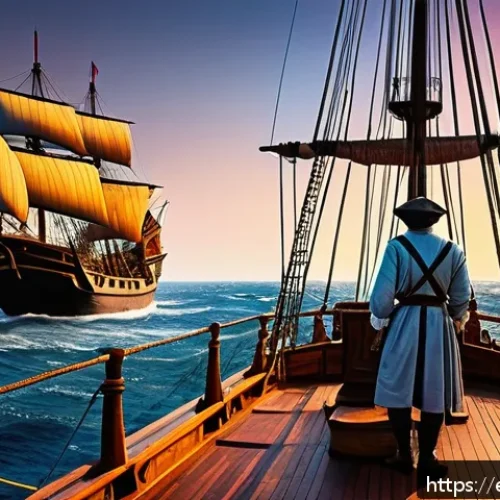
The British Empire’s strength was deeply rooted in its unmatched naval capabilities. From the 16th century onward, the Royal Navy was not just a military force but a symbol of national pride and security.
I’ve often thought about how Britain’s geographic position, surrounded by water, naturally pushed it to develop its fleet. What’s fascinating is how investment in shipbuilding technology and skilled sailors allowed Britain to control crucial sea routes, making it possible to protect trade interests and establish colonies far from home.
This naval dominance wasn’t built overnight; it involved continuous innovation, from the age of wooden sailing ships to steam-powered vessels, each advancement giving Britain a leg up on rival powers.
Exploration Fueled by Curiosity and Commerce
Explorers like James Cook and Sir Francis Drake became household names because they charted unknown territories, opening new doors for trade and colonization.
I remember reading about how these voyages were driven not just by a thirst for discovery but also by the growing demand for exotic goods like spices, tea, and silk.
These expeditions often paved the way for establishing trading posts and, eventually, full-fledged colonies. The interplay between exploration and commerce was a key engine for the empire’s expansion, turning distant lands into interconnected parts of a global network that funneled wealth back to Britain.
Strategic Colonization and Trade Networks
Britain’s approach to colonization was a calculated blend of military conquest, diplomacy, and economic incentive. It’s interesting how the empire didn’t just rely on territorial acquisition but also on creating extensive trade networks.
Ports like Bombay, Singapore, and Hong Kong became critical hubs that connected the empire to Asia and beyond. I’ve noticed that these locations weren’t chosen randomly; they were strategic points that allowed Britain to dominate regional trade and control the flow of resources.
This system not only enriched the British economy but also laid the groundwork for a globalized trade framework.
Industrial Innovation and Economic Transformation
The Industrial Revolution’s Role in Empire Building
No discussion of the British Empire’s growth is complete without acknowledging the Industrial Revolution. Having studied this era, I can say it was a game-changer.
The ability to mass-produce goods like textiles, steel, and machinery gave Britain a competitive edge in global markets. Factories churned out products at a scale and speed never seen before, fueling demand for raw materials from colonies and expanding export opportunities.
This economic transformation was tightly interwoven with imperial ambitions, as industrial growth created both the means and the motivation to acquire new territories rich in resources.
Financial Institutions and Global Markets
The rise of banking and financial institutions in Britain was another cornerstone of its imperial success. London became the world’s financial capital, enabling the empire to fund wars, infrastructure projects, and trade ventures.
I’ve come to appreciate how institutions like the Bank of England provided the stability and credit needed to manage such a vast empire. The empire’s economic reach was further extended by the pound sterling becoming a dominant global currency, which facilitated international trade and investment.
This financial backbone was crucial in sustaining Britain’s global influence long after its territorial expansion slowed.
Labor and Social Changes Within the Empire
The empire’s economic growth also triggered significant shifts in labor systems and social structures. I’ve read firsthand accounts of how industrial jobs in Britain contrasted sharply with forced labor and indentured servitude in many colonies.
These dynamics created complex social hierarchies and tensions that sometimes sparked resistance movements. Additionally, migration patterns changed drastically, with workers moving within the empire to meet labor demands.
This social aspect of economic transformation reveals how the empire was not just an economic machine but a living, breathing entity shaped by human experiences and struggles.
Challenges of Governance and Control
Administrative Complexities Across Continents
Managing an empire that spanned continents was no small feat. I’ve often wondered how officials dealt with the sheer diversity of cultures, languages, and political systems under British rule.
The empire employed a variety of governance models, from direct colonial administration to indirect rule through local leaders. This flexibility was necessary but often led to inconsistencies and conflicts.
For example, the British approach in India was markedly different from that in Africa or the Caribbean. These administrative challenges reveal why maintaining cohesion in such a vast entity was always a balancing act, fraught with tensions and compromises.
Resistance and Rebellion
The British Empire’s history is also marked by numerous uprisings and resistance movements. From the Indian Rebellion of 1857 to the Mau Mau Uprising in Kenya, these events underscore the limits of imperial control.
I find it striking how these rebellions were both a reaction to political domination and economic exploitation. They often forced Britain to rethink its strategies and sometimes led to reforms, but they also revealed the deep-seated desire for self-determination among colonized peoples.
These struggles highlight the human cost of empire and the resilience of those who opposed it.
Diplomatic Rivalries and Global Conflicts
Britain’s global dominance inevitably drew it into various international conflicts. The empire had to navigate rivalries with other powers such as France, Spain, and later Germany and the United States.
Wars like the Napoleonic Wars and the two World Wars were pivotal moments that tested Britain’s military and economic strength. From my perspective, these conflicts accelerated both the expansion and contraction of the empire, reshaping borders and alliances.
The diplomatic balancing act Britain performed was essential to maintaining its status but also exposed vulnerabilities that would later contribute to its decline.
Technological Advances and Communication Networks
Railways and Infrastructure Development
The introduction of railways in colonies was revolutionary, and I’ve often thought about how these iron arteries transformed local economies and societies.
Railways enabled faster movement of goods and troops, linking remote areas to ports and cities. This infrastructure not only facilitated resource extraction but also helped integrate diverse regions under British control.
For instance, the extensive railway network in India became vital to the empire’s economic and administrative efficiency. These projects were massive undertakings, often built with local labor under challenging conditions, reflecting the complex relationship between development and domination.
Telegraph and Early Communication Systems
Before the internet or even widespread telephony, the telegraph was the empire’s communication lifeline. I find it fascinating that messages could travel thousands of miles in minutes, a remarkable feat for the time.
This technology allowed British officials and military commanders to coordinate across vast distances, respond swiftly to crises, and maintain a semblance of centralized control.
The undersea telegraph cables, in particular, symbolized the empire’s interconnectedness and technological prowess. This early communication revolution was critical in holding together a global empire spread across time zones.
Naval Engineering and Weaponry
Technological innovation extended beyond transport and communication to military hardware. The British Navy’s transition from sail to steam-powered ironclads, along with advancements in artillery and firearms, provided a significant tactical advantage.

I’ve read detailed accounts of how these innovations often forced rival navies to catch up, effectively setting the pace of military technology worldwide.
This edge helped Britain secure its maritime dominance and protect its colonial interests against both European competitors and local resistance forces.
Economic and Political Pressures Leading to Decline
The Cost of War and Maintenance
Sustaining a global empire was enormously expensive, and I’ve often reflected on how the two World Wars drained Britain’s resources. The financial strain of maintaining military presence across multiple continents, combined with rebuilding efforts at home, stretched the empire’s capabilities to the breaking point.
Post-war austerity and debt made it increasingly difficult to justify the costs of colonial governance. This economic reality forced Britain to reconsider its imperial commitments and set the stage for decolonization movements.
Rise of Nationalism and Independence Movements
The winds of change blew strongest in the mid-20th century, as colonized peoples demanded independence. I’ve encountered numerous stories of leaders like Mahatma Gandhi and Kwame Nkrumah, who galvanized popular support against colonial rule through nonviolent resistance and political activism.
These movements gained momentum partly because the old imperial model no longer matched the aspirations of diverse populations. The British government’s gradual acceptance of independence reflected a reluctant but pragmatic response to these irreversible social and political forces.
Shifting Global Power Dynamics
By the mid-20th century, new superpowers emerged, particularly the United States and the Soviet Union, reshaping global geopolitics. I’ve noticed how Britain’s relative decline was not just about its colonies but also about its diminished influence on the world stage.
The Cold War redefined alliances and priorities, often sidelining traditional imperial interests. Britain’s transition from a colonial empire to a member of the international community involved redefining its identity and role, focusing more on diplomacy, trade partnerships, and cultural influence rather than territorial control.
| Aspect | Impact on British Empire | Example |
|---|---|---|
| Naval Power | Secured trade routes and enabled colonial expansion | Royal Navy dominance in the 18th and 19th centuries |
| Industrial Revolution | Boosted economic capacity and global trade influence | Mass production of textiles and machinery |
| Colonial Administration | Varied governance models affecting control and stability | Direct rule in India, indirect rule in Africa |
| Communication Advances | Improved coordination and control across vast distances | Undersea telegraph cables linking colonies |
| Economic Burden | Post-war financial strain contributing to decolonization | Costs following World Wars I and II |
| Nationalist Movements | Accelerated independence and dismantling of empire | Indian independence in 1947, Kenyan Mau Mau uprising |
Cultural Influence and Legacy
Language and Education
One of the most enduring legacies of the British Empire is the widespread use of the English language. From my experience interacting with people around the world, English remains a global lingua franca largely due to Britain’s historical reach.
The establishment of educational systems modeled on British institutions also played a crucial role in shaping local elites and governance structures.
This cultural imprint has had both positive and negative effects, facilitating communication and international business but also sometimes overshadowing indigenous languages and traditions.
Legal and Political Systems
British common law and parliamentary systems were exported to many colonies and continue to influence governance today. I find it intriguing how these frameworks provided a foundation for stability and rule of law in diverse contexts.
Countries like Canada, Australia, and India have adapted British legal principles to fit their unique circumstances. This legacy highlights the empire’s complex role in spreading ideas of democracy and legal rights, even as it imposed control and often suppressed dissent.
Art, Literature, and Popular Culture
The cultural exchange between Britain and its colonies produced a rich tapestry of artistic and literary works. I’ve noticed how British literature, theater, and later film reflected imperial themes, sometimes glorifying empire and at other times critiquing it.
Similarly, postcolonial voices have emerged to challenge and reinterpret this heritage. The global influence of British culture, from Shakespeare to the Beatles, continues to shape world culture, illustrating how the empire’s impact extends beyond politics and economics into everyday life.
Transition to the Commonwealth and Modern Relations
From Empire to Commonwealth
The transformation from empire to Commonwealth marked a significant shift in Britain’s relationship with its former colonies. I’ve seen how this organization promotes cooperation, cultural exchange, and shared values without the political dominance of the past.
The Commonwealth represents a new model of partnership, reflecting changing global attitudes toward sovereignty and mutual respect. It’s a testament to Britain’s ability to adapt and maintain influence through soft power rather than direct control.
Economic Partnerships and Trade Today
While the empire no longer exists, economic ties remain strong. Britain has cultivated trade relationships with many former colonies, often leveraging historical connections and shared language.
From my observation, this economic interdependence is a win-win, fostering growth and innovation. Post-Brexit trade deals, for example, have sought to deepen ties with Commonwealth nations, highlighting how historical bonds can translate into modern opportunities.
Diplomatic and Cultural Engagement
Modern Britain actively participates in global diplomacy, often using its historical connections to build bridges. I’ve been impressed by cultural initiatives, educational exchanges, and collaborative projects that celebrate diversity and shared heritage.
These efforts help Britain maintain relevance on the world stage, balancing respect for history with a forward-looking approach that embraces globalization and multiculturalism.
This ongoing engagement underscores how the legacy of the British Empire continues to shape international relations in nuanced ways.
글을 마치며
The British Empire’s story is one of remarkable ambition, innovation, and complexity. Its legacy continues to influence the modern world in countless ways, from language and law to global trade and diplomacy. Understanding this history helps us appreciate both the achievements and challenges that shaped today’s interconnected world. As we reflect on the empire’s rise and fall, it’s clear that its impact is a blend of progress and struggle, resilience and transformation.
알아두면 쓸모 있는 정보
1. The Royal Navy’s dominance was crucial in securing trade routes and protecting British interests globally, giving the empire unmatched maritime strength.
2. The Industrial Revolution fueled Britain’s economic expansion by enabling mass production and increasing demand for raw materials from colonies.
3. British colonial administration varied widely, balancing direct rule with indirect governance to manage diverse cultures and territories.
4. Technological advances like railways and the telegraph significantly improved communication and control across vast colonial holdings.
5. Nationalist movements and the financial burdens of war were key factors driving the eventual decline and decolonization of the British Empire.
중요 사항 정리
The British Empire’s growth was powered by naval supremacy, industrial innovation, and strategic colonization, all supported by evolving communication and financial systems. However, managing a vast, culturally diverse empire brought administrative challenges and sparked resistance movements that tested imperial control. The costly demands of global conflicts and rising nationalist aspirations ultimately led to decolonization and a shift toward new forms of international partnership. Today, the empire’s cultural, legal, and economic legacies continue to shape global relations, reflecting a complex history of influence and adaptation.
Frequently Asked Questions (FAQ) 📖
Q: What were the main factors that contributed to the British Empire’s rise to global dominance?
A: The British Empire’s rise was fueled by a combination of strategic naval power, pioneering trade networks, and the Industrial Revolution. Britain’s powerful navy allowed it to explore and control key sea routes, while its innovative industries produced goods that were in high demand worldwide.
Additionally, establishing colonies provided access to valuable resources and new markets, which helped sustain economic growth. This mix of military strength, economic innovation, and global trade created a foundation for Britain’s expanding influence across continents.
Q: What challenges led to the decline of the British Empire?
A: Maintaining such a vast empire came with enormous challenges that gradually eroded British dominance. Frequent conflicts, including costly wars like the two World Wars, drained resources and weakened political control.
Economic shifts, such as the rise of other industrial powers and global competition, diminished Britain’s economic supremacy. Moreover, growing independence movements within colonies, coupled with changing international attitudes toward imperialism, made it increasingly difficult to hold onto overseas territories.
All these factors combined over time to signal the empire’s slow but steady decline.
Q: How did the British Empire shape modern international relations?
A: The British Empire’s legacy is deeply woven into the fabric of today’s global politics and economics. Its widespread colonization established English as a dominant global language and introduced legal and political systems modeled after British institutions.
The empire’s trade networks laid groundwork for current international commerce, and the borders drawn during its rule continue to influence geopolitical dynamics.
Understanding the empire’s history helps explain many contemporary international relationships, alliances, and conflicts, highlighting how past power structures still impact the modern world.