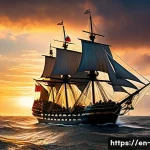
Ahoy there, history buffs and adventure seekers! Ever dreamt of sailing the high seas, discovering new worlds, and amassing untold riches? Well, let’s set our sails back to the Age of Exploration, a time when Portugal and Spain, two relatively small European nations, transformed the world map forever.
These seafaring superpowers embarked on daring voyages that not only expanded their empires but also reshaped global trade, culture, and even cuisine.
Think spices, gold, and tales of the unknown – it’s a story packed with ambition, bravery, and a touch of ruthlessness. Get ready to dive into the thrilling saga of Portugal and Spain’s maritime dominance, where every wave brought new opportunities and challenges.
Have you ever wondered how two countries managed to leave such a lasting imprint on the world? It wasn’t just about luck or sheer willpower. Portugal and Spain had unique advantages, visionary leaders, and groundbreaking technologies that propelled them to the forefront of exploration.
I remember reading about Prince Henry the Navigator of Portugal, who, though not a sailor himself, dedicated his life to funding and organizing expeditions down the African coast.
His efforts paved the way for future explorers like Vasco da Gama, who finally reached India by sea, opening up a direct trade route to the East. Then there’s Spain, fueled by the Reconquista and the ambition of monarchs like Queen Isabella, who famously backed Christopher Columbus’s audacious plan to reach the Indies by sailing west.
The impact of these voyages was monumental, shifting the balance of power and creating a world connected like never before. Ready to uncover the secrets of Portugal and Spain’s epic adventures?
I’m excited to guide you through the key factors that made these nations the masters of the seas. Let’s explore it in detail in the article below!
Alright, mateys! Let’s dive deep into the factors that propelled Portugal and Spain to the forefront of the Age of Exploration.
Navigational Prowess: Mastering the Seas
Portugal and Spain didn’t just stumble upon new lands; they meticulously charted their courses using groundbreaking navigational tools and techniques.
The compass and astrolabe, borrowed from Chinese and Arabian inventions, allowed them to navigate the open sea with greater accuracy. Cartography saw significant improvements, leading to more precise maps.
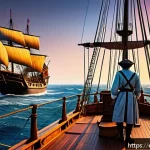
Moreover, the development of the caravel, a nimble ship with triangular sails, enabled them to sail further and faster than ever before. These advancements weren’t mere conveniences; they were the keys that unlocked the ocean’s secrets.
The Volta do Mar: Harnessing the Winds
One particularly ingenious technique was the *volta do mar*, or “return of the sea”. Portuguese navigators discovered that by sailing far west into the Atlantic, they could catch favorable winds that would carry them back to Europe.
This understanding of wind patterns and currents was crucial for long-distance voyages and became a closely guarded secret for many years.
Iberian Nautical Science
The Iberian Peninsula became a hub for nautical expertise, attracting skilled sailors, cartographers, and astronomers. This collaborative environment fostered innovation and the exchange of knowledge, giving Portugal and Spain a significant edge over other European powers.
Visionary Leadership: Charting a Course for Exploration
Behind every successful voyage was a leader with a vision. Prince Henry the Navigator of Portugal, though not a sailor himself, played a pivotal role in sponsoring expeditions and fostering maritime innovation.
His patronage transformed Portugal into a hotbed of exploration, driving the quest for new trade routes and territories.
Prince Henry the Navigator: The Driving Force
Prince Henry’s motivations were multifaceted. He sought to expand Portuguese influence, spread Christianity, gain access to the West African gold trade, and find the mythical Christian kingdom of Prester John.
His efforts led to the discovery of Madeira, the Azores, and Cape Verde Islands, paving the way for future voyages.
Queen Isabella: A Royal Gamble
In Spain, Queen Isabella famously backed Christopher Columbus’s daring plan to reach the Indies by sailing west. Though controversial, her decision proved monumental, leading to the discovery of the Americas and the establishment of a vast Spanish empire.
Economic Ambitions: The Allure of Riches
The quest for wealth was a primary driver of exploration. European powers sought to bypass existing trade routes controlled by Italian city-states and the Ottoman Empire, gaining direct access to the lucrative spice trade in Asia.
The promise of gold, silver, and other valuable resources fueled the ambition to explore and colonize new lands.
The Spice Trade: Aromatic Gold
Spices like cloves, pepper, and ginger were highly sought after in Europe, used for flavoring food and medicinal purposes. Controlling the spice trade meant immense wealth and power, making it a central goal of Portuguese and Spanish explorers.
Precious Metals: Filling the Coffers
The discovery of vast deposits of gold and silver in the Americas transformed Spain into a global superpower. This influx of wealth funded further expansion and solidified Spain’s dominance on the world stage.
Religious Zeal: Spreading the Faith
Beyond economic ambitions, religious zeal played a significant role in motivating exploration. Both Portugal and Spain saw themselves as instruments of God, tasked with spreading Christianity to new lands.
This missionary spirit often went hand in hand with colonization, as explorers sought to convert indigenous populations to the Christian faith.
The Reconquista: A Crusade Mentality
Spain’s Reconquista, the centuries-long struggle to expel the Moors from the Iberian Peninsula, instilled a crusading mentality that extended to overseas exploration.
The desire to defeat Islam and spread Christianity fueled Spanish ambitions in the New World.
Strategic Location: A Launchpad for Exploration
Portugal and Spain’s geographic location on the Iberian Peninsula gave them a distinct advantage. Their proximity to the Atlantic Ocean, coupled with natural harbors and rivers, made them ideal launchpads for maritime expeditions.
Facing the Atlantic
Unlike many other European powers, Portugal and Spain were geographically positioned to look westward towards the Atlantic. This fostered a maritime culture and encouraged exploration beyond the known world.
Competition and Innovation: The Drive to Excel
The rivalry between Portugal and Spain spurred innovation and accelerated the pace of exploration. Each nation sought to outdo the other in discovering new lands and establishing trade routes, leading to a flurry of voyages and discoveries.
The Treaty of Tordesillas: Dividing the World
To avoid conflict, Portugal and Spain signed the Treaty of Tordesillas in 1494, dividing the world into two spheres of influence. This agreement granted Portugal control over lands east of a line running through the Atlantic, including Brazil and trade routes around Africa, while Spain claimed lands to the west, including most of the Americas.
Here’s a quick rundown of key differences in their approaches:| Feature | Portugal | Spain |
|—|—|—|
| Focus | Sea route to Asia, African coast | Western route to Asia, Americas |
| Trade | Spices, gold, slaves | Silver, agricultural products |
| Colonial Style | Fortified trading posts | Large-scale colonies |
| Key Explorers | Vasco da Gama, Prince Henry | Christopher Columbus, Ferdinand Magellan |
Lasting Impact: A World Transformed
The explorations of Portugal and Spain had a profound and lasting impact on the world. They established new trade routes, connected distant cultures, and laid the foundation for a globalized world.
However, their actions also led to the exploitation of indigenous populations, the transatlantic slave trade, and the spread of diseases, leaving a complex and often tragic legacy.
Shaping the Modern World
The Age of Exploration ushered in a new era of global interaction, transforming trade, culture, and politics. The world we know today is a direct result of the daring voyages and ambitious endeavors of Portugal and Spain.
Alright, mateys! Let’s dive deep into the factors that propelled Portugal and Spain to the forefront of the Age of Exploration.
Navigational Prowess: Mastering the Seas
Portugal and Spain didn’t just stumble upon new lands; they meticulously charted their courses using groundbreaking navigational tools and techniques.
The compass and astrolabe, borrowed from Chinese and Arabian inventions, allowed them to navigate the open sea with greater accuracy. Cartography saw significant improvements, leading to more precise maps.
Moreover, the development of the caravel, a nimble ship with triangular sails, enabled them to sail further and faster than ever before. These advancements weren’t mere conveniences; they were the keys that unlocked the ocean’s secrets.
The Volta do Mar: Harnessing the Winds
One particularly ingenious technique was the *volta do mar*, or “return of the sea”. Portuguese navigators discovered that by sailing far west into the Atlantic, they could catch favorable winds that would carry them back to Europe.
This understanding of wind patterns and currents was crucial for long-distance voyages and became a closely guarded secret for many years.
Iberian Nautical Science
The Iberian Peninsula became a hub for nautical expertise, attracting skilled sailors, cartographers, and astronomers. This collaborative environment fostered innovation and the exchange of knowledge, giving Portugal and Spain a significant edge over other European powers.
Visionary Leadership: Charting a Course for Exploration
Behind every successful voyage was a leader with a vision. Prince Henry the Navigator of Portugal, though not a sailor himself, played a pivotal role in sponsoring expeditions and fostering maritime innovation.
His patronage transformed Portugal into a hotbed of exploration, driving the quest for new trade routes and territories.
Prince Henry the Navigator: The Driving Force
Prince Henry’s motivations were multifaceted. He sought to expand Portuguese influence, spread Christianity, gain access to the West African gold trade, and find the mythical Christian kingdom of Prester John.
His efforts led to the discovery of Madeira, the Azores, and Cape Verde Islands, paving the way for future voyages.
Queen Isabella: A Royal Gamble
In Spain, Queen Isabella famously backed Christopher Columbus’s daring plan to reach the Indies by sailing west. Though controversial, her decision proved monumental, leading to the discovery of the Americas and the establishment of a vast Spanish empire.
Economic Ambitions: The Allure of Riches
The quest for wealth was a primary driver of exploration. European powers sought to bypass existing trade routes controlled by Italian city-states and the Ottoman Empire, gaining direct access to the lucrative spice trade in Asia.
The promise of gold, silver, and other valuable resources fueled the ambition to explore and colonize new lands.
The Spice Trade: Aromatic Gold
Spices like cloves, pepper, and ginger were highly sought after in Europe, used for flavoring food and medicinal purposes. Controlling the spice trade meant immense wealth and power, making it a central goal of Portuguese and Spanish explorers.
Precious Metals: Filling the Coffers
The discovery of vast deposits of gold and silver in the Americas transformed Spain into a global superpower. This influx of wealth funded further expansion and solidified Spain’s dominance on the world stage.
Religious Zeal: Spreading the Faith
Beyond economic ambitions, religious zeal played a significant role in motivating exploration. Both Portugal and Spain saw themselves as instruments of God, tasked with spreading Christianity to new lands.
This missionary spirit often went hand in hand with colonization, as explorers sought to convert indigenous populations to the Christian faith.
The Reconquista: A Crusade Mentality
Spain’s Reconquista, the centuries-long struggle to expel the Moors from the Iberian Peninsula, instilled a crusading mentality that extended to overseas exploration.
The desire to defeat Islam and spread Christianity fueled Spanish ambitions in the New World.
Strategic Location: A Launchpad for Exploration
Portugal and Spain’s geographic location on the Iberian Peninsula gave them a distinct advantage. Their proximity to the Atlantic Ocean, coupled with natural harbors and rivers, made them ideal launchpads for maritime expeditions.
Facing the Atlantic
Unlike many other European powers, Portugal and Spain were geographically positioned to look westward towards the Atlantic. This fostered a maritime culture and encouraged exploration beyond the known world.
Competition and Innovation: The Drive to Excel
The rivalry between Portugal and Spain spurred innovation and accelerated the pace of exploration. Each nation sought to outdo the other in discovering new lands and establishing trade routes, leading to a flurry of voyages and discoveries.
The Treaty of Tordesillas: Dividing the World
To avoid conflict, Portugal and Spain signed the Treaty of Tordesillas in 1494, dividing the world into two spheres of influence. This agreement granted Portugal control over lands east of a line running through the Atlantic, including Brazil and trade routes around Africa, while Spain claimed lands to the west, including most of the Americas.
Here’s a quick rundown of key differences in their approaches:| Feature | Portugal | Spain |
|—|—|—|
| Focus | Sea route to Asia, African coast | Western route to Asia, Americas |
| Trade | Spices, gold, slaves | Silver, agricultural products |
| Colonial Style | Fortified trading posts | Large-scale colonies |
| Key Explorers | Vasco da Gama, Prince Henry | Christopher Columbus, Ferdinand Magellan |
Lasting Impact: A World Transformed
The explorations of Portugal and Spain had a profound and lasting impact on the world. They established new trade routes, connected distant cultures, and laid the foundation for a globalized world.
However, their actions also led to the exploitation of indigenous populations, the transatlantic slave trade, and the spread of diseases, leaving a complex and often tragic legacy.
Shaping the Modern World
The Age of Exploration ushered in a new era of global interaction, transforming trade, culture, and politics. The world we know today is a direct result of the daring voyages and ambitious endeavors of Portugal and Spain.
글을 마치며
The Age of Exploration, spearheaded by Portugal and Spain, was a pivotal period in world history. Their innovations in navigation, driven by economic ambition and religious zeal, reshaped the globe. While their achievements are undeniable, it’s crucial to remember the complex legacy of colonialism and its impact on indigenous populations. Understanding this era provides invaluable insights into the interconnected world we inhabit today. It’s a reminder that progress often comes at a cost, and that we must learn from the past to build a more equitable future.
알아두면 쓸모 있는 정보
1. The caravel was a game-changer: This ship’s design allowed for sailing against the wind, a major advantage in exploration.
2. Prince Henry’s school: He established a center for maritime studies, attracting experts and fostering innovation.
3. The Treaty of Tordesillas: This agreement had a lasting impact on the division of the world between Portugal and Spain.
4. Spice routes: The quest for spices like cinnamon and cloves fueled much of the early exploration.
5. Columbus’s voyages: While he didn’t reach Asia, his voyages opened up the Americas to European colonization.
중요 사항 정리
Portugal and Spain led the Age of Exploration due to their navigational skills, visionary leaders, economic ambitions, religious zeal, strategic location, and competitive spirit. They developed crucial technologies like the caravel and volta do mar technique. Prince Henry the Navigator and Queen Isabella played key roles in sponsoring voyages. The Treaty of Tordesillas divided the world between them. Their explorations transformed global trade, culture, and politics, leaving a complex legacy of both progress and exploitation.
Frequently Asked Questions (FAQ) 📖
Q: s about Portugal and Spain’s
A: ge of Exploration, crafted to be informative, engaging, and SEO-friendly:✅ Frequently Asked Questions
Q: What were the main motivations behind Portugal and Spain’s
A: ge of Exploration? A1: Portugal and Spain were driven by a potent mix of factors. Economically, they sought new trade routes to access valuable spices, gold, and other resources from the East, bypassing the established routes controlled by Italian city-states and the Ottoman Empire.
Religiously, they aimed to spread Christianity and counter the influence of Islam. Politically, both nations sought to expand their empires, gain prestige, and assert their dominance on the world stage.
The lure of the unknown, the spirit of adventure, and the desire for personal glory also played significant roles. Think of it as a perfect storm of “God, Gold, and Glory!”
Q: What key technologies and innovations enabled Portuguese and Spanish exploration?
A: Several technological advancements were crucial. The development of the caravel, a highly maneuverable ship capable of sailing against the wind, was a game-changer.
Navigational tools like the astrolabe and quadrant allowed sailors to determine their latitude with greater accuracy. Improved cartography, with more detailed and reliable maps, reduced the risks of long voyages.
Also, the knowledge acquired from various cultures, including Arab and Chinese maritime expertise, contributed significantly to their success. These innovations allowed explorers to venture further and more confidently into uncharted waters.
Q: What was the impact of Portuguese and Spanish exploration on the rest of the world?
A: The impact was transformative and multifaceted. The Columbian Exchange, triggered by Columbus’s voyages, led to the exchange of plants, animals, and diseases between the Old World (Europe, Asia, Africa) and the New World (the Americas).
This reshaped agriculture, diets, and ecosystems globally. European diseases decimated indigenous populations in the Americas, leading to significant demographic shifts.
The influx of gold and silver from the Americas fueled European economies but also led to inflation. The establishment of global trade networks created unprecedented wealth but also facilitated the transatlantic slave trade.
The legacy of this era continues to shape our world today, influencing everything from our cuisine to our cultural identities.